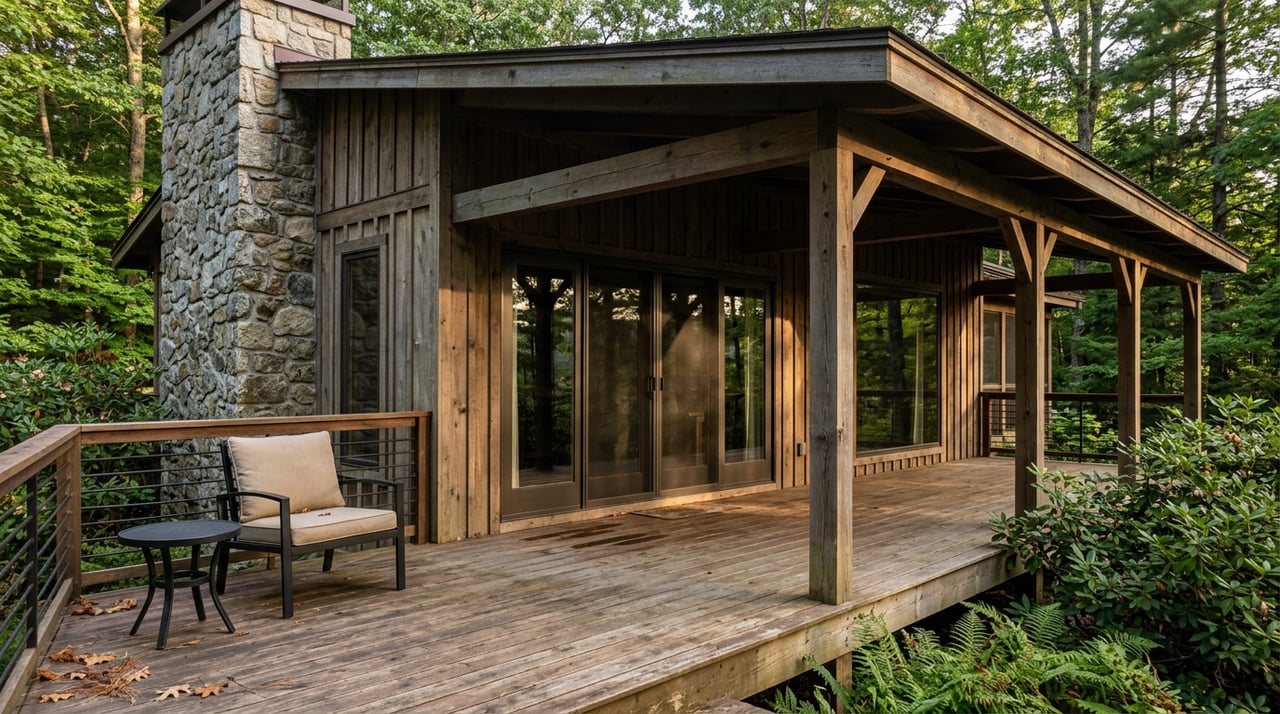
Thinking about whether to sell or rent out your Murphy, NC cabin? You are not alone. With steady visitor demand and a wide range of sale prices, many owners pause before choosing a path. In this guide, you will see how local rental performance, taxes, costs and your personal goals shape the right answer for your cabin. Let’s dive in.
Clarify your goals first
Before you run numbers, get clear on what you want over the next 1 to 5 years.
- Liquidity and simplicity. If you want cash now or less responsibility, selling may fit.
- Cash flow and future appreciation. If you want income and expect the area to grow, renting may fit.
- Personal use. If you love weekend or seasonal time at the cabin, a flexible short-term rental strategy could work.
- Risk tolerance. Consider vacancies, repairs and tenant management alongside your comfort level.
Murphy rental demand at a glance
Murphy draws visitors for outdoor recreation, lake time and easy road trips from Atlanta and Chattanooga. The travel market is mostly leisure and seasonal, with peak demand from late spring through fall and holiday spikes. The regional drive-market and events support recurring short stays, as outlined in the local travel guide for the North Carolina mountains. You can browse the area’s attractions in the NC Mountains travel guide.
Short-term rental revenue basics
Short-term rentals in the Murphy area have an active market of cabins and cottages. Market snapshots show average daily rates around $120 to $140 with typical occupancy around 50 to 57 percent, which implies gross revenue near $24,000 to $28,000 per year for a well-positioned 2 to 3 bedroom cabin. See a representative market overview for Murphy from RedAwning.
What moves a cabin above or below that range:
- Location and access. Waterfront or river access and proximity to town can lift nightly rates.
- Amenities. Hot tub, quality furnishings, strong Wi-Fi and pet-friendly policies often boost appeal.
- Operations. Responsive hosting, dynamic pricing and professional marketing improve occupancy.
Long-term lease basics
Long-term rentals offer stable occupancy and fewer turnovers. In Murphy, local household incomes are lower than large metros, which usually means more modest monthly rents. Review current listings in your cabin’s zip to set realistic expectations, and weigh stability versus potential upside from short-term rates. For area context, see Murphy income and housing data on DataUSA.
Selling: what to expect
Recent sources place Murphy’s median sale prices generally in the $270,000 to $350,000 range depending on the dataset and month. Treat that as a directional band, not a precise target for your cabin. Your actual result depends on property condition, views, acreage, access and recent comparable sales. If you choose to sell, focus on pricing strategy, professional photography and broad online exposure to maximize interest.
Taxes and permits for STRs
If you consider a short-term rental, build these items into your plan:
- County occupancy tax. Cherokee County requires you to register and collect a 4 percent occupancy tax on stays under 90 days. Review the county’s guidance and registration steps in the Cherokee County occupancy tax PDF.
- State and local sales tax. In addition to occupancy tax, North Carolina lodging is subject to state and local sales taxes. In Cherokee County, the combined state and local sales tax is commonly shown around 7 percent, which is additive to the occupancy tax. Some platforms may collect or remit taxes, but you are responsible for confirming compliance. See an overview of state lodging tax rules at Avalara’s guide.
- Town code and zoning. The Town of Murphy’s code does not show a dedicated short-term rental license in the sections reviewed, but rules can change and safety or occupancy rules can appear elsewhere. Confirm current requirements with town planning. You can search the Town of Murphy code library.
- HOA rules. If your cabin is in an HOA community, review the covenants for short-term rental rules. Some communities limit stays or require approvals.
Insurance and liability
Platform protections help, but they are not the same as insurance. Airbnb’s AirCover for Hosts describes up to $3 million in damage protection and $1 million in liability protection, but it has exclusions and does not replace a dedicated STR or landlord policy. Learn what is included on Airbnb’s AirCover for Hosts, then price a short-term rental or landlord policy and consider an umbrella policy for added protection.
Run a sample pro forma
Use this high-level example as a template. Replace with quotes and comps for your specific cabin.
Assumptions (illustrative):
- Average daily rate: $130; occupancy: 54 percent (about 197 nights per year).
- Gross revenue: about $25,600 per year.
- Management fee: 25 percent of revenue (about $6,400) if you use full-service management.
- Platform fees: about 3 percent of revenue (about $770).
- Cleaning: $150 per turnover, average 3-night stays, about 66 bookings per year (about $9,900 total).
- Utilities, supplies, routine maintenance reserve: $3,000 to $6,000 per year.
Illustrative result: with these conservative inputs, net operating cash flow before mortgage and income taxes might land near $4,500 per year. Owners who self-manage, secure longer average stays, or earn above-market ADR and occupancy can net more. Always set aside occupancy and sales taxes collected from guests for remittance.
When selling makes sense
- You prefer simplicity and immediate cash over ongoing management.
- Your cabin needs major updates that you do not want to fund for rental competitiveness.
- HOA rules restrict short-term rentals or the location is not ideal for STR demand.
- Your pro forma shows limited net cash flow compared to what you could earn by investing sale proceeds elsewhere.
When renting makes sense
- You want a mix of personal use and income over the next few years.
- Your cabin’s amenities and location support strong nightly rates and healthy occupancy.
- You are comfortable hiring a manager or self-managing guest communication and turnovers.
- You expect property values in Murphy and Cherokee County to appreciate over time.
Smart next steps
Use a simple checklist to move from idea to decision:
Pull true comps. Gather three sold comps for your cabin and three active, comparable STR listings with similar size and amenities. Track calendar rates through peak and shoulder seasons.
Get manager quotes. Ask two to three local vacation rental managers for projected ADR, occupancy, fees and services. Compare full-service and co-host models for cost and workload.
Confirm taxes and permits. Register for the county occupancy tax and confirm current town rules before listing. Start with the Cherokee County occupancy tax PDF.
Check HOA covenants. Secure a written statement from your HOA manager on rental rules and any registration or insurance requirements.
Price insurance. Get a quote for a short-term rental or landlord policy and consider an umbrella policy. Review what is covered by AirCover for Hosts for context.
Ask your tax pro. If you may sell, discuss potential capital gains, Section 121 primary residence exclusions, depreciation recapture and whether a 1031 exchange could apply to an investment property. You can start with IRS Publication 523 for a general overview of primary residence rules.
Ready to choose the right path for your Murphy cabin? I specialize in helping second-home owners and absentee sellers weigh sale versus rental in Western North Carolina. For a tailored pricing analysis and a rental-readiness checklist for your property, connect with Melissa Stillwell. I am here to make the decision clear and the next step easy.
FAQs
What short-term rental taxes apply in Cherokee County, NC?
- Cherokee County requires a 4 percent occupancy tax on stays under 90 days, and North Carolina lodging is also subject to state and local sales taxes around 7 percent; register and remit per the county’s occupancy tax guidance and review state lodging tax rules via Avalara’s overview.
How much can a typical Murphy 2–3 bedroom cabin earn as an STR?
- Market snapshots show average daily rates near $120 to $140 with occupancy around 50 to 57 percent, which implies roughly $24,000 to $28,000 in annual gross revenue for a well-positioned cabin; see RedAwning’s Murphy overview for context.
Does the Town of Murphy require a special STR license?
- The code sections reviewed do not show a dedicated short-term rental license, but rules can change and safety or occupancy rules may apply, so confirm with town planning; you can search the Town of Murphy code library.
Can my HOA restrict or ban short-term rentals in Murphy?
- Yes, many HOAs set rental rules that can limit or prohibit STRs, add minimum stays or require added insurance, so review your CC&Rs and get written confirmation from the HOA manager before listing.
Is Airbnb’s AirCover enough insurance for hosting my cabin?
- AirCover helps with damage protection and liability, but it is not a substitute for a dedicated short-term rental or landlord policy, so get a tailored quote and consider an umbrella policy; see AirCover for Hosts for details.
What tax rules should I know if I might sell instead of rent?
- Tax treatment depends on how you used the property; primary residences may qualify for a gain exclusion under Section 121, while investment properties can trigger capital gains and depreciation recapture, and some owners consider 1031 exchanges, so speak with a CPA and review IRS Publication 523 for a starting point.