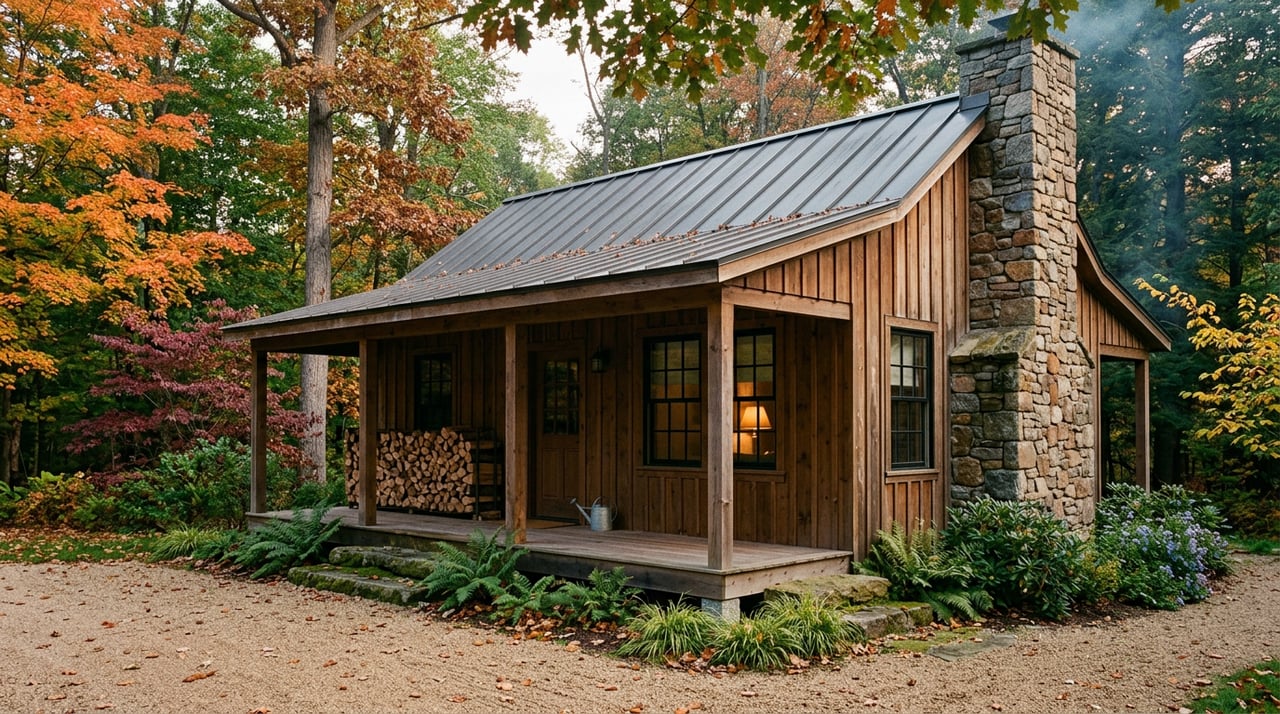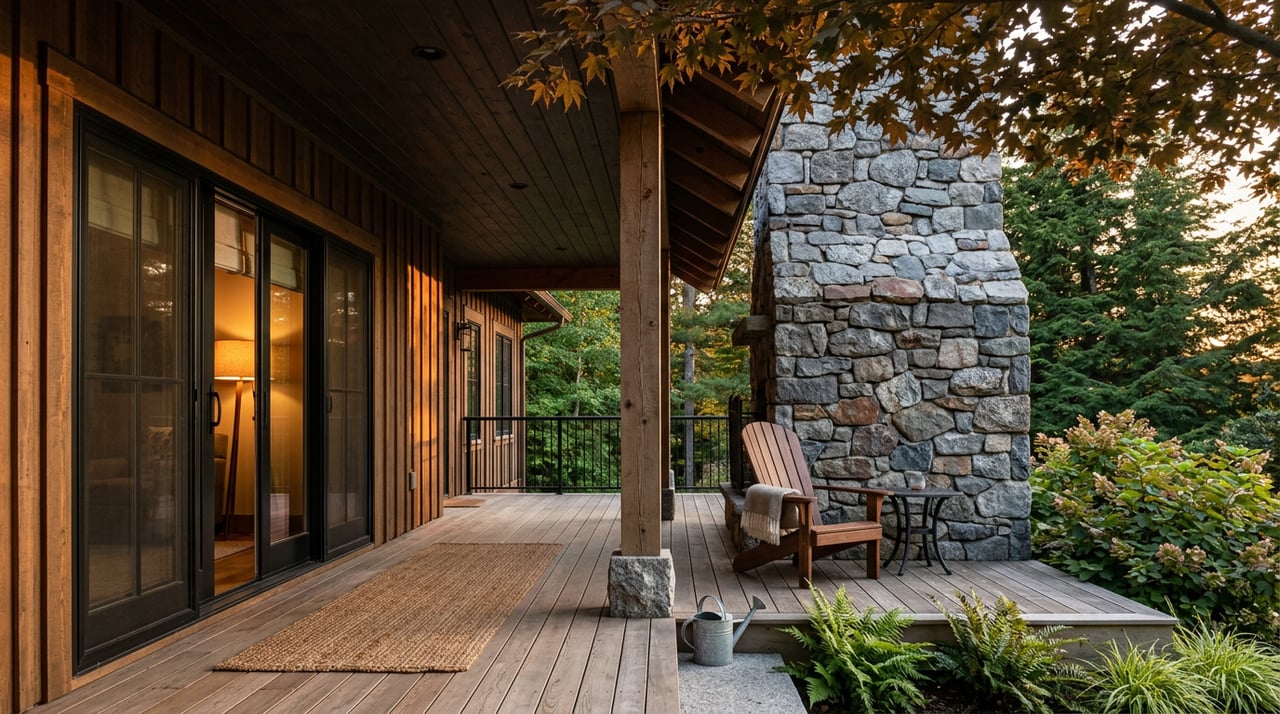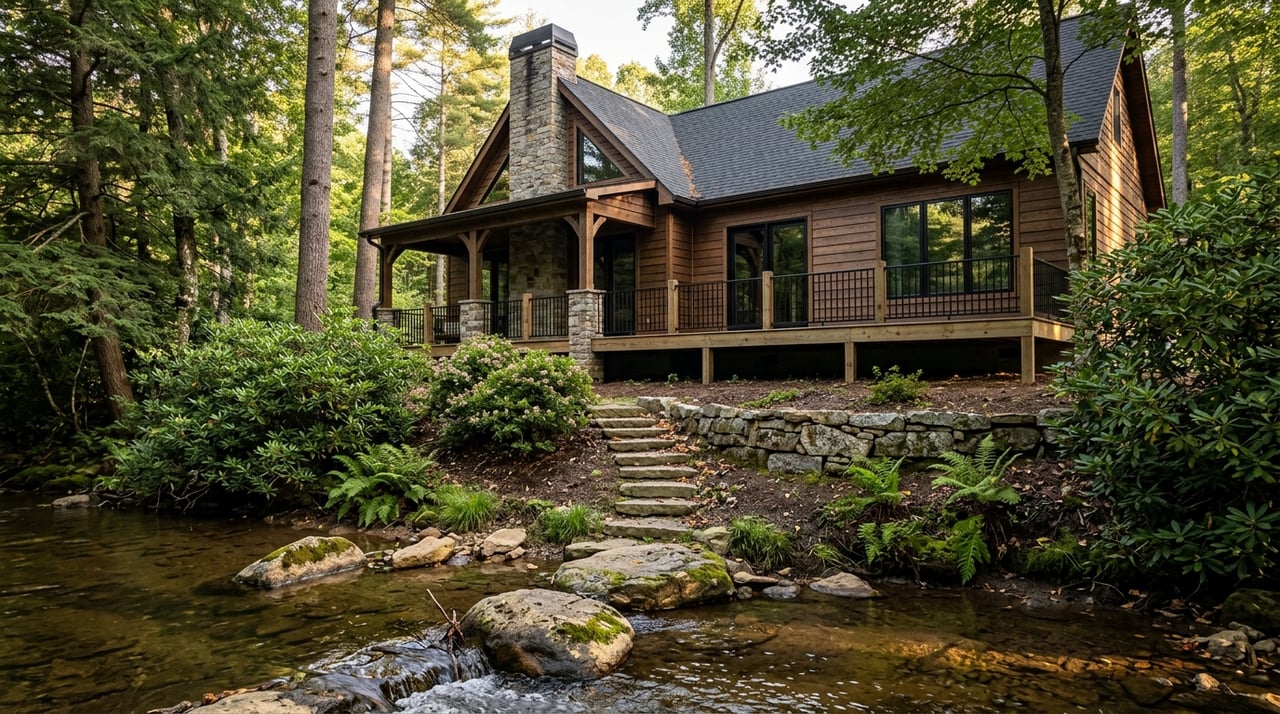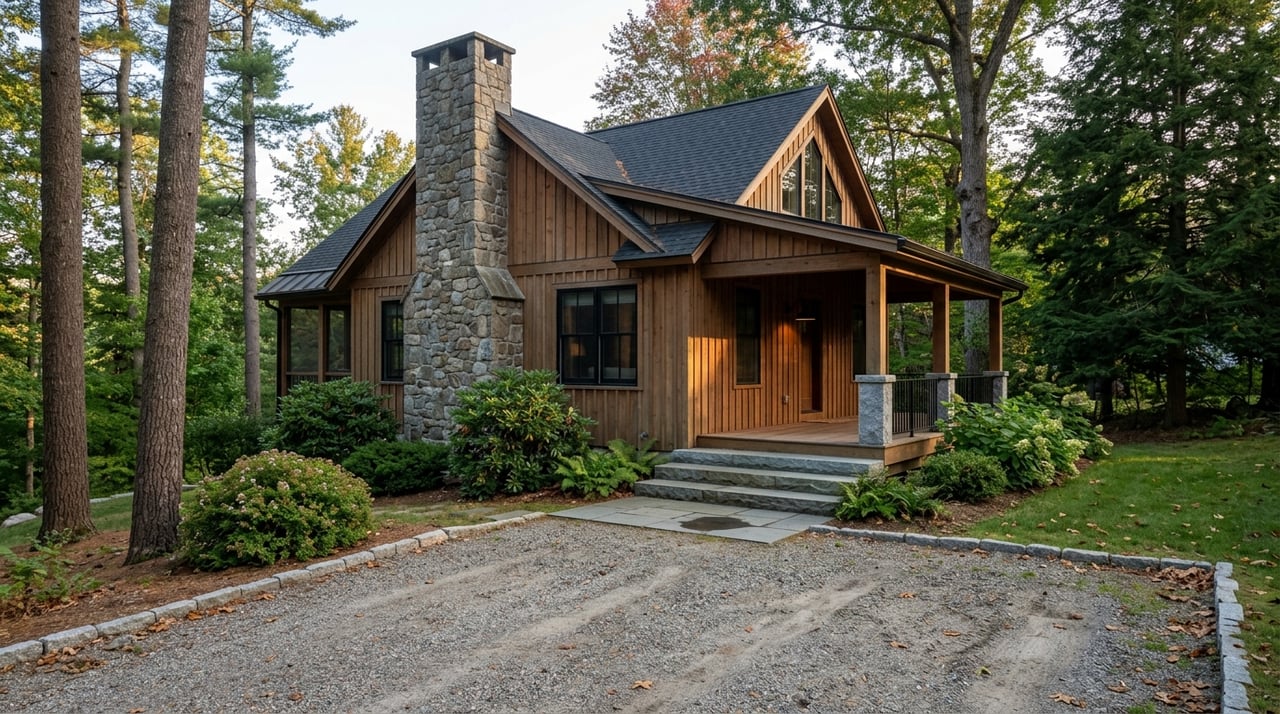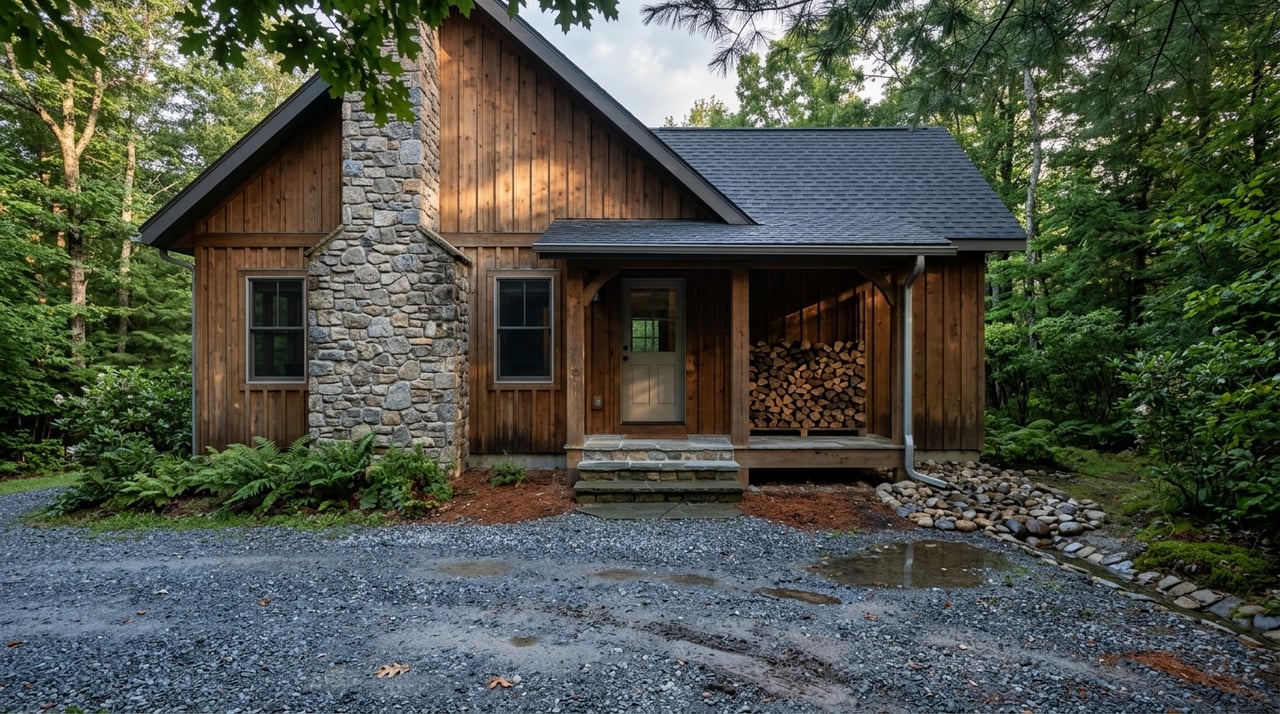
If you picture a cabin near Fires Creek as a peaceful mountain base for fishing, hiking, and unplugging, you are on the right track. But this part of Clay County is also a place where road access, weather, wells, septic systems, and storm recovery can shape your day-to-day ownership experience. If you are thinking about buying near Fires Creek, this guide will help you balance the lifestyle appeal with the real logistics so you can decide whether it fits the way you want to live. Let’s dive in.
Why Fires Creek Appeals
Fires Creek Recreation Area sits in the Nantahala National Forest near Hayesville and is known for a more remote, rustic setting. According to the U.S. Forest Service, the area offers trout fishing, hiking, horseback riding, picnicking, and camping, and it is open year-round for day use from sunrise to sunset.
That setting is a big part of the draw. If you want a cabin where quiet mornings, mountain views, and easy access to public land matter more than being close to stores and services, Fires Creek stands out. It is best viewed as an outdoor retreat rather than a convenience-driven location.
Recreation Shapes the Lifestyle
For many buyers, the biggest reason to own near Fires Creek is simple: you can spend more time outside without a long drive to trailheads or trout water. The area gives you direct access to a backcountry-style experience that feels different from more built-up mountain communities.
The Forest Service area page highlights several recreation features that help define the lifestyle:
- The 25-mile Rim Trail loops around the Fires Creek backcountry area.
- The trail crosses several high-elevation balds.
- Some trail sections are open to horses.
- Bristol Campground includes six sites, a vault toilet, and horse-camping access.
- Huskins Branch Hunters Camp is primitive.
- Leatherwood Falls offers a short loop trail.
If that sounds like your version of a weekend, a nearby cabin can make a lot of sense. You are not just buying a house. You are buying easier access to the kind of days you actually want to have.
Trout Fishing Is a Real Draw
Fishing is not just a side benefit here. Fires Creek includes trout water managed under North Carolina Wildlife Resources Commission rules, which gives the stream a strong appeal for anglers.
Current NCWRC regulation text identifies Fires Creek from Rockhouse Creek to the foot bridge in the USFS picnic area as Delayed Harvest Trout Waters. The stretch from the foot bridge down to SR 1300 is identified as Hatchery Supported Trout Waters.
That matters because the fishing experience can change by season and by regulation. NCWRC notes that its delayed-harvest program uses catch-and-release rules with artificial lures only during the season, and Fires Creek is included in the 2026 delayed-harvest stocking schedule.
If fishing is one of your top reasons for buying, it helps to think beyond the view from the porch. You will want to understand when access is best, what the current rules are, and how stocking cycles may affect use throughout the year.
Mountain Access Matters
A Fires Creek cabin can feel wonderfully tucked away, but that same privacy comes with tradeoffs. The route from Hayesville uses US 64W, NC 175, and SR 1344, and access tied to the Rim Trail continues on Forest Service Road 340, which is gravel.
That is important for your everyday planning. Grocery runs, vendor visits, guest arrivals, repair appointments, and simple weekend trips can all take more coordination when the final miles are on mountain roads.
In other words, location here is not just about distance on a map. It is also about road type, slope, surface condition, and how the route behaves after heavy rain, freezing weather, or storm debris.
Weather Can Change the Plan
Mountain ownership near Fires Creek means accepting that weather can interrupt normal routines from time to time. North Carolina Department of Transportation guidance explains that black ice is unpredictable, bridges and overpasses freeze first, and travel should be avoided when possible during winter weather.
NCDOT also notes that snow-clearing priorities start with interstates and major primary routes before lower-priority paved secondary roads and unpaved secondary roads. For a cabin on a gravel or less-traveled road, that can mean slower recovery after snow or ice compared with homes closer to major highways.
Storm impacts can also affect recreation access. NCWRC said in its post-Helene update on western North Carolina trout waters that some locations had access damage, parking issues, or remained inaccessible because of storm effects.
That does not mean Fires Creek is hard to reach all the time. It does mean you should go in with realistic expectations and a plan for occasional delays, washouts, fallen limbs, or detours.
Utilities Need Extra Attention
One of the biggest differences between buying in town and buying near Fires Creek is how often private systems come into play. In this part of Clay County, a cabin may rely on private well water and an onsite wastewater system rather than municipal service.
Clay County Environmental Health oversees onsite wastewater and private drinking water well permits. The county’s septic and well permitting information explains the Improvement Permit, Construction Authorization, and Operation Permit process for septic systems, along with well-construction permitting and water sampling.
For you as a buyer, this turns utilities into a major due-diligence category. Before you move forward, you will want clear documentation on septic approvals, well status, water testing if available, and any service or repair history that affects the property’s use.
Maintenance Is Part of the Package
Mountain cabins often reward you with privacy and scenery, but they also ask more from you in upkeep. A nearby NOAA climate reference for Murphy shows 59.28 inches of annual precipitation and 4.4 inches of annual snowfall based on 1991 to 2020 normals.
That kind of climate puts practical items front and center. Roof condition, drainage, driveway surface, tree limbs, gutters, and winterization are not small details in a mountain setting. They are part of protecting the property and keeping access manageable.
If you are shopping for a second home, this matters even more. A cabin you do not visit every week needs systems and maintenance plans that reduce surprises when weather shifts or storms move through.
Emergency Readiness Counts
A remote cabin should not just feel peaceful. It should also be operationally ready. Clay County’s 911 Addressing Office assigns permanent road addresses to support public safety and help emergency services reach properties faster.
That is easy to overlook when you are focused on views, porches, and creek access. But in a mountain area, clear addressing, visible signage, and understandable directions can make a meaningful difference for emergency response, deliveries, and service providers.
If you are comparing properties, ask practical questions about how easy the home is to find, whether the road is clearly marked, and whether guests or contractors could locate it without confusion.
What About Occasional Rental Use?
For some buyers, a Fires Creek cabin may have part-time personal use and occasional guest use in mind. That idea is understandable because the area has natural appeal for hikers, anglers, and people who want a quiet mountain stay.
At the same time, a rustic location creates extra management needs. The remote setting, mountain-road access, weather sensitivity, and utility setup all mean guest communication matters more here than it would in a more accessible location.
Clay County says its Environmental Health Division conducts inspections for lodging and requires plan review prior to construction and permitting. If you are considering any form of guest lodging, it is smart to confirm health, sanitation, utility, and any other applicable local requirements before advertising the property.
The safest mindset is to treat rental use as something to verify, not assume. A cabin may be promising for occasional rental use, but the right fit depends on the home’s utility status, emergency access, and compliance steps.
Who Fires Creek Fits Best
A cabin near Fires Creek is often a great match if you want a mountain base centered on outdoor access and a quieter pace. Buyers who enjoy trout fishing, hiking, horseback riding, and public-land recreation may find the tradeoffs well worth it.
It can be a weaker match if you want easy winter travel, quick service calls, or a very low-maintenance second home. The same features that create privacy and character can also create more planning and upkeep.
The key is not whether Fires Creek is good or bad. The key is whether it fits you. When your lifestyle goals match the location’s realities, a cabin here can be a very satisfying long-term choice.
Buying With Clear Expectations
The best cabin decisions usually happen when lifestyle excitement and practical review work together. Near Fires Creek, that means looking closely at roads, utilities, drainage, maintenance demands, and emergency access right alongside the porch view and trail proximity.
If you want help thinking through what ownership near Fires Creek could really look like, working with a local guide can make the process much smoother. Melissa Stillwell can help you evaluate mountain properties with both the lifestyle and logistics in mind so you can move forward with confidence.
FAQs
What is the lifestyle like near Fires Creek NC?
- Fires Creek offers a remote, recreation-focused mountain setting with access to trout fishing, hiking, horseback riding, camping, and quiet public-land surroundings.
What should buyers know about road access near Fires Creek?
- Buyers should expect mountain-road conditions, including county roads and some gravel access routes, which can affect travel times, service visits, and weather-related access.
Is Fires Creek good for trout fishing?
- Yes. NCWRC identifies portions of Fires Creek as Delayed Harvest Trout Waters and Hatchery Supported Trout Waters, which makes it a meaningful draw for anglers.
What utilities should buyers verify for a cabin near Fires Creek?
- You should verify septic permits, well status, water-related records, and any available documentation tied to private utility systems before closing.
Can weather affect access to a Fires Creek cabin?
- Yes. Snow, ice, storm debris, washouts, and post-storm recovery can affect roads and recreation access in this mountain area.
Can a cabin near Fires Creek be used as an occasional rental?
- It may be possible for the right property, but you should confirm health, sanitation, utility, emergency access, and any other applicable local requirements before listing it for guest use.