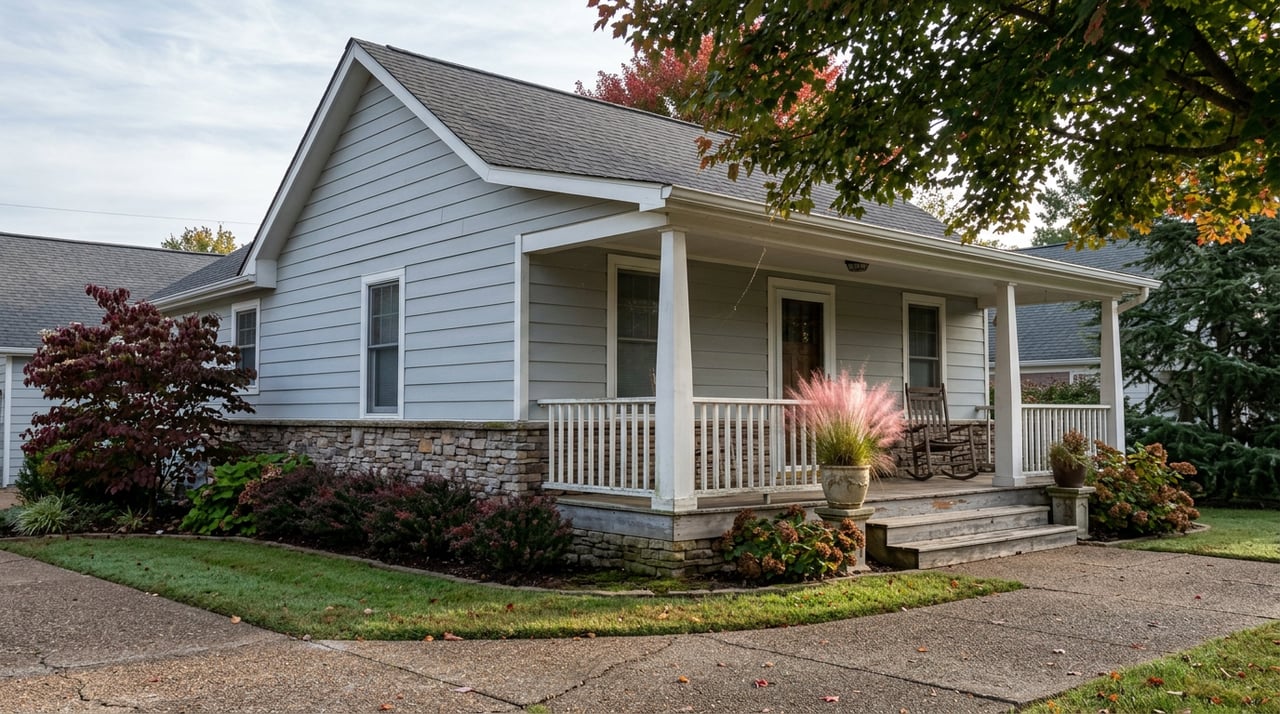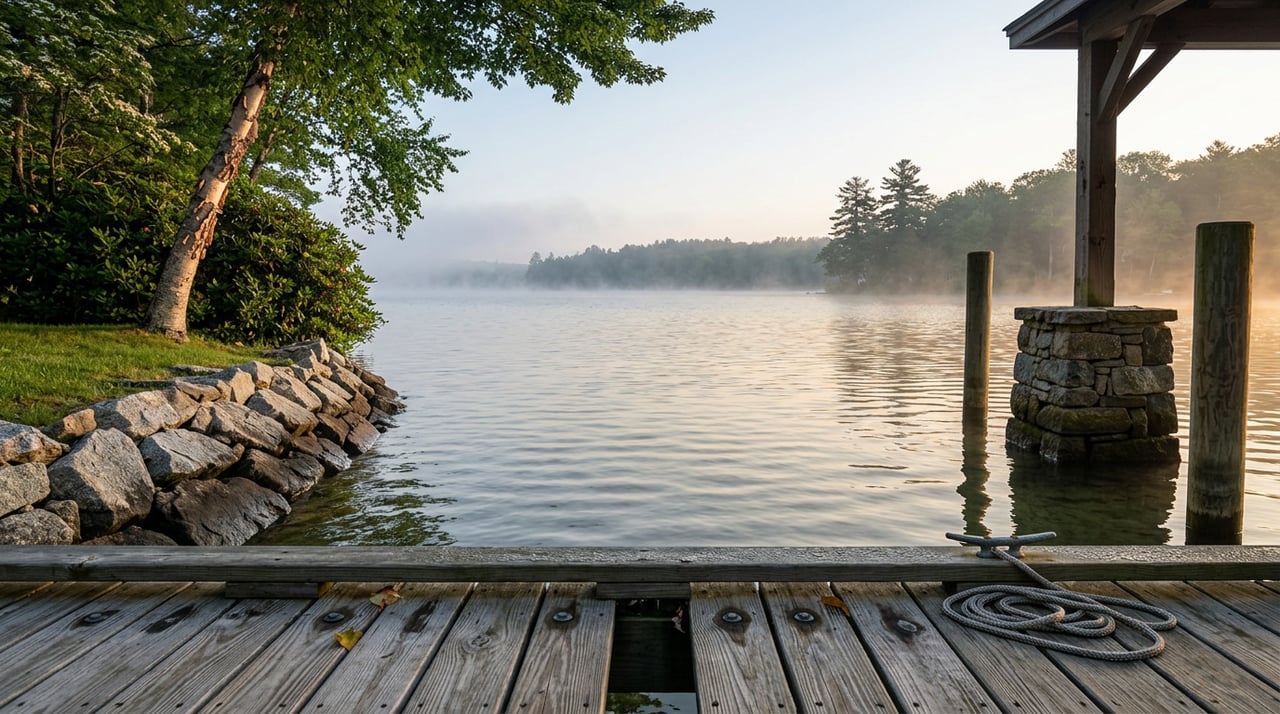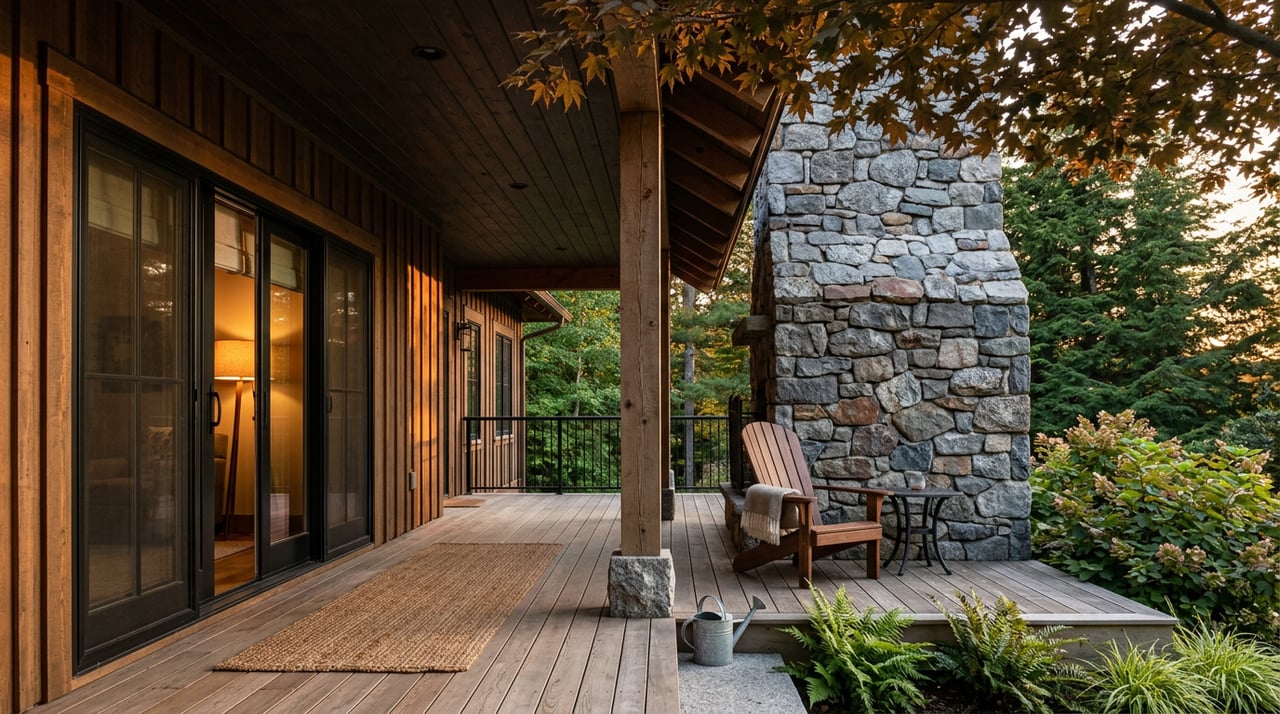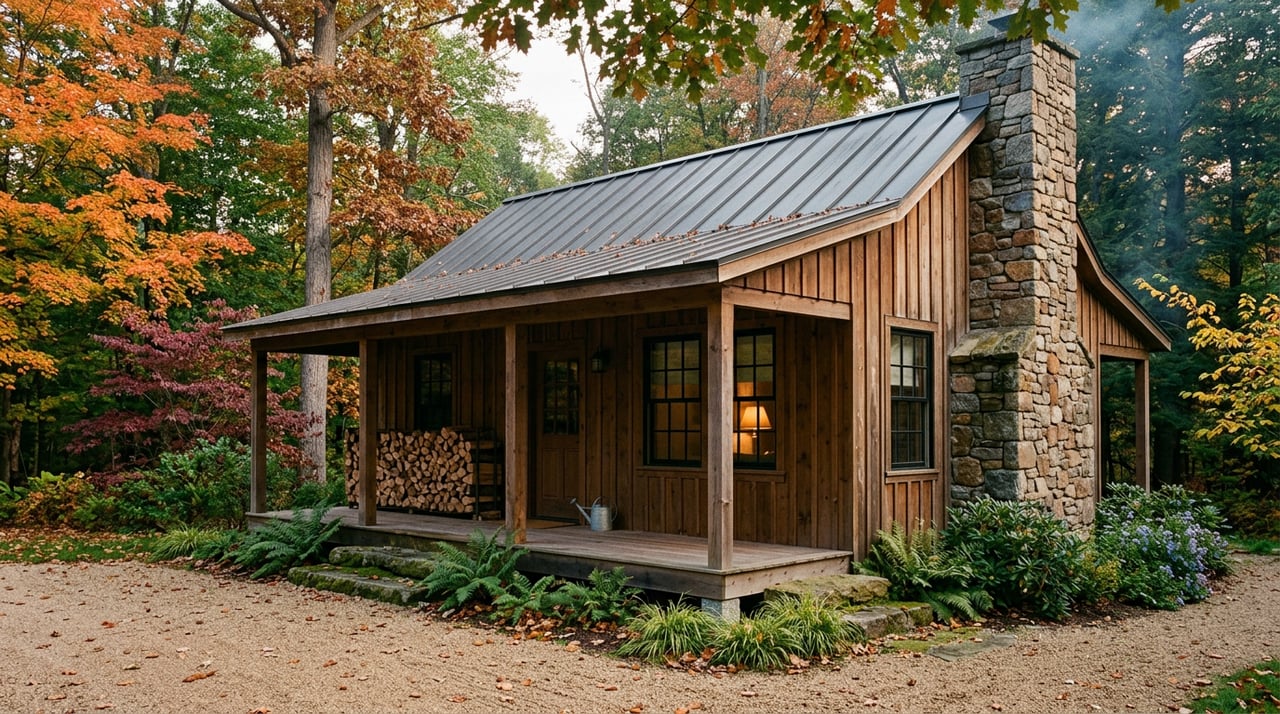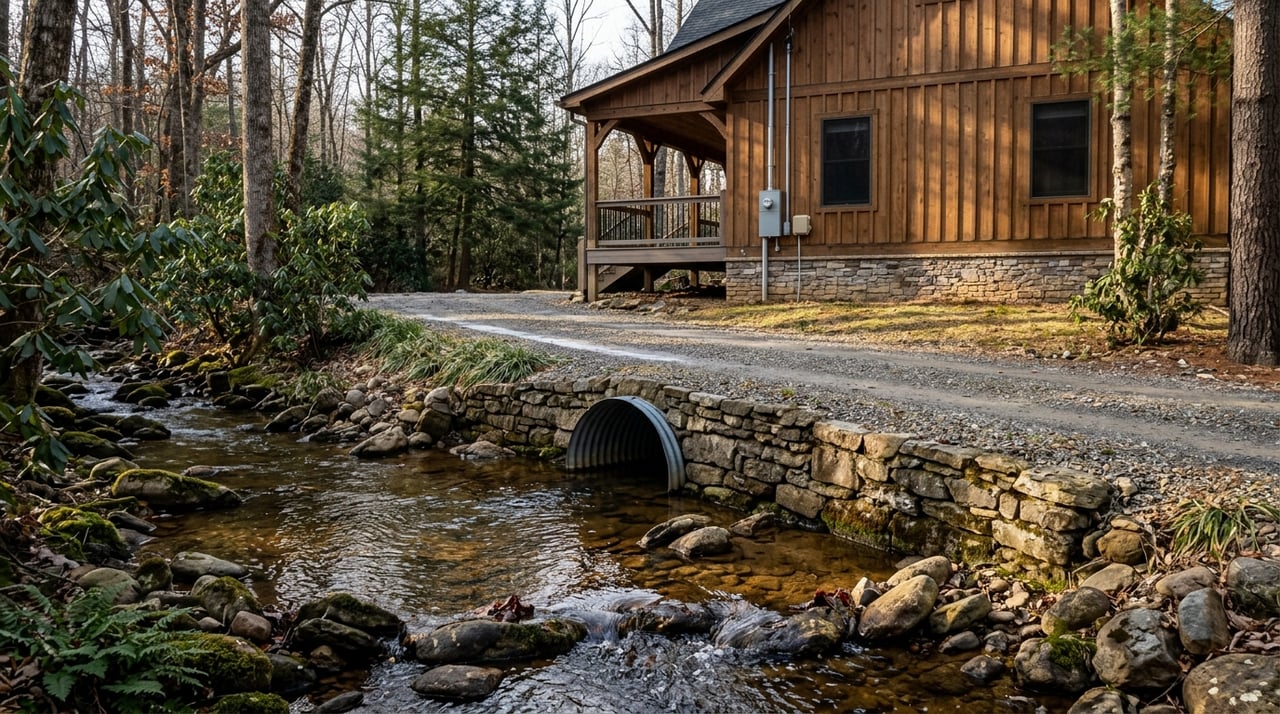
If you picture mountain cabin living as total peace with a creek nearby and room to breathe, Tusquittee is easy to understand. This part of Clay County draws buyers who want wooded privacy, moving water, and quick access to outdoor recreation without feeling far removed from Hayesville and Lake Chatuge. If you are thinking about buying here, the key is to balance the lifestyle appeal with the practical details that matter most. Let’s dive in.
Why Tusquittee draws cabin buyers
Tusquittee offers a setting that feels tucked away, but it still connects you to some of the best outdoor spaces in the area. Clay County highlights the scenic mountain and lake views around the Lake Chatuge campground area, and the nearby Fires Creek Recreation Area is known through the USDA Forest Service for trout fishing, hiking, horseback riding, and camping.
If you want the mountain lifestyle first, Tusquittee checks a lot of boxes. The Forest Service also notes that Jackrabbit Mountain sits on Lake Chatuge, and Panther Top Tower offers views of the Unicoi, Snowbird, Valley River, Tusquitee, and Georgia Blue Ridge ranges. That combination of creek valleys, wooded ridges, and recreation access is a big reason buyers keep this area on their short list.
Another draw is the natural water setting. A regional land-use plan notes that streams in the area, including Tusquittee Creek and the Hiwassee River, meet standards associated with trout habitat, which supports the clean-water, mountain-creek character many cabin buyers want. You can read more in the Hayesville comprehensive land-use plan.
Privacy with access
Privacy is a major reason people look at cabins in Tusquittee, but privacy should never mean guessing about access. Before you fall in love with a property, you want to confirm that the road, driveway, and entry setup work for daily use, guest visits, service providers, and emergency response.
Clay County’s 911 Addressing Office assigns permanent road addresses for emergency response, and the county also notes that GIS parcel data should be verified against primary sources before you make decisions. In plain terms, online maps can be helpful, but they should not be your final answer on boundaries, easements, or where a driveway actually sits on the ground.
This matters even more on mountain parcels with long driveways or gated entrances. Clay County’s site-plan worksheet for well and septic review asks owners to mark property lines, driveway location, septic area, well location, underground utilities, wetlands, and any known buried streams or creeks. It also asks for gate codes or keys when access is locked, which tells you just how important clear entry can be.
What to verify before you buy
If you are considering a Tusquittee cabin, it helps to confirm a few access items early:
- Whether the property has a permanent road address through Clay County 911
- Where the driveway begins and whether it appears to match the parcel and access rights
- Whether there are recorded easements or rights-of-way that affect use
- Whether gates, steep grades, or narrow roads could affect regular access
- Whether parcel lines shown online match what can be verified through primary sources
Creeks add value and questions
A creek can be one of the best parts of cabin living in Tusquittee. The sound of moving water, the wooded setting, and the connection to trout-water country all add to the appeal. But creek frontage or even a small drainage feature can affect how and where you build, expand, or place improvements.
Clay County treats creekside development as site-specific. The county explains that any project in a designated FEMA AE flood zone needs a Floodplain Development Permit and a FEMA Elevation Certificate at the building-permit stage. That means a beautiful creek lot may still need extra review before plans can move forward.
The best public source for flood hazard information is FEMA’s official map system. Clay County points buyers and owners to the FEMA Flood Map Service Center for flood maps and address-level hazard information. If a listing mentions a creek, branch, or water feature, it is smart to check the map and then confirm what that means for the specific homesite.
Why creek lots need extra review
Creekside and low-lying parcels often raise questions about:
- Flood zone status
- Building placement
- Drainage patterns
- Septic location
- Grading needs
- Insurance requirements
The county health department’s materials also require applicants to mark surface water, drainage features, wetlands, easements, rights-of-way, underground utilities, and any known buried streams or farm drains. That is why a creek view should be treated as both a lifestyle benefit and a due diligence item.
Buildability is lot specific
In mountain markets, two lots can look similar online and behave very differently once you study the details. In Tusquittee, that is especially true for cabins on acreage, creek lots, and sloped sites.
Clay County’s on-site wastewater guidance makes it clear that filing an application does not guarantee an Improvement Permit or Construction Authorization. The county health department oversees private wells and wastewater treatment and disposal systems, so feasibility has to be confirmed for the exact parcel. You can review that process through Clay County Environmental Health resources.
Many rural cabins in this area will depend on private systems. The 2022 land-use plan says Clay County’s community water system served an estimated 18% of the population, meaning most residents were served by private wells. For buyers, that makes well and septic review a standard part of buying in Tusquittee, not an exception.
Questions to ask about wells and septic
When you are evaluating a cabin or land parcel, ask:
- Does the property already have a permitted septic system?
- If not, has the parcel been evaluated for septic suitability?
- Is there an existing private well, and are records available?
- Are there drainage features, wetlands, or buried creeks that affect placement?
- Is there enough usable area for the home, septic, and well together?
These are not small details. They shape what you can do with the property now and later.
Internet and utilities matter more than ever
Tusquittee feels rural, and that is part of the appeal. But if you work remotely, stream regularly, or just want reliable service for a second home, internet and utility planning should be part of your decision.
Clay County says broadband expansion has been targeted for Tusquittee and other communities, and the state announced a 2025 CAB award expected to connect 1,602 locations, or 99.26% of the county’s 1,614 eligible locations. Even with that progress, service remains address-specific, so you should verify the exact property rather than rely on a general area claim. Clay County’s internet access page and the FCC’s National Broadband Map guide are the right places to start.
Water and sewer can also vary by location. The Clay County Water & Sewer District serves public water and sewer in Hayesville, but many rural Tusquittee properties still depend on private well and septic systems. That is another reason rural cabin buying here works best when you verify each property one address at a time.
Winter ownership is manageable, but not hands-off
Tusquittee does not usually mean months of heavy snow, but winter still matters. NOAA normals for Hayesville 1 NE show a median last spring 32°F freeze around April 21 and a median first fall 32°F freeze around October 21, which suggests a freeze-free period of about 180 days. Nearby Murphy normals show a January mean temperature of 37.5°F and annual snowfall of 4.4 inches, pointing more toward freezes, icy roads, and occasional snow than long snow seasons. Those figures come from NOAA climate normals.
For cabin owners, that means planning for cold-weather maintenance. Steep driveways, shaded roads, and freeze protection for plumbing can matter more than total snowfall. If you are buying a second home, it is wise to think through how the property will be accessed and maintained during colder months.
Daily living and local mobility
Tusquittee offers a peaceful setting, but daily logistics are still worth reviewing. If you want backup transportation support, Clay County Transportation serves residents through a demand-response system with advance booking. The county notes that it is not a house-to-house taxi service and does not provide emergency medical transportation, so it should be viewed as limited support rather than a full substitute for driving. You can review service details through Clay County Transportation.
For most buyers, the bigger point is simple: mountain privacy works best when you understand the practical side of living there. Road access, utility setup, creek conditions, and property improvements all affect how easy the home will be to enjoy over time.
A smart way to shop Tusquittee cabins
If Tusquittee is on your radar, the best approach is to look beyond the photos and ask better property-specific questions. A cabin can absolutely offer the privacy, creek setting, and mountain access you want, but the right fit depends on what is verified, not just what is advertised.
That is where local guidance helps. When you are comparing cabins, creek lots, or mountain acreage, I can help you focus on the details that matter most for this area, from access and floodplain questions to utilities and buildability. If you are ready to explore Tusquittee cabin living, connect with Melissa Stillwell for a local, guided conversation.
FAQs
What makes Tusquittee NC appealing for cabin living?
- Tusquittee appeals to buyers who want mountain privacy, creek settings, and access to outdoor recreation near Hayesville, Lake Chatuge, and Fires Creek.
How do you verify road access for a Tusquittee cabin?
- You can start with Clay County’s 911 Addressing Office to confirm permanent addressing and then verify driveway location, easements, and parcel details against primary sources rather than relying only on online maps.
Do creek-front cabins in Tusquittee have floodplain concerns?
- They can, because Clay County treats creekside development as site-specific, and properties in designated FEMA AE flood zones may need a Floodplain Development Permit and Elevation Certificate.
Do most Tusquittee cabins use private wells and septic systems?
- Many do, because the county land-use plan says most residents are served by private wells, and rural properties often depend on private well and septic approvals.
How do you check internet service at a Tusquittee property?
- The best step is to review the exact address using the FCC National Broadband Map, since broadband availability and speeds remain location-specific even as countywide expansion improves coverage.
What are winter conditions like for Tusquittee cabin owners?
- Winter ownership is usually more about freezes, icy roads, and occasional snow than long snow seasons, so access and cold-weather maintenance should be part of your planning.