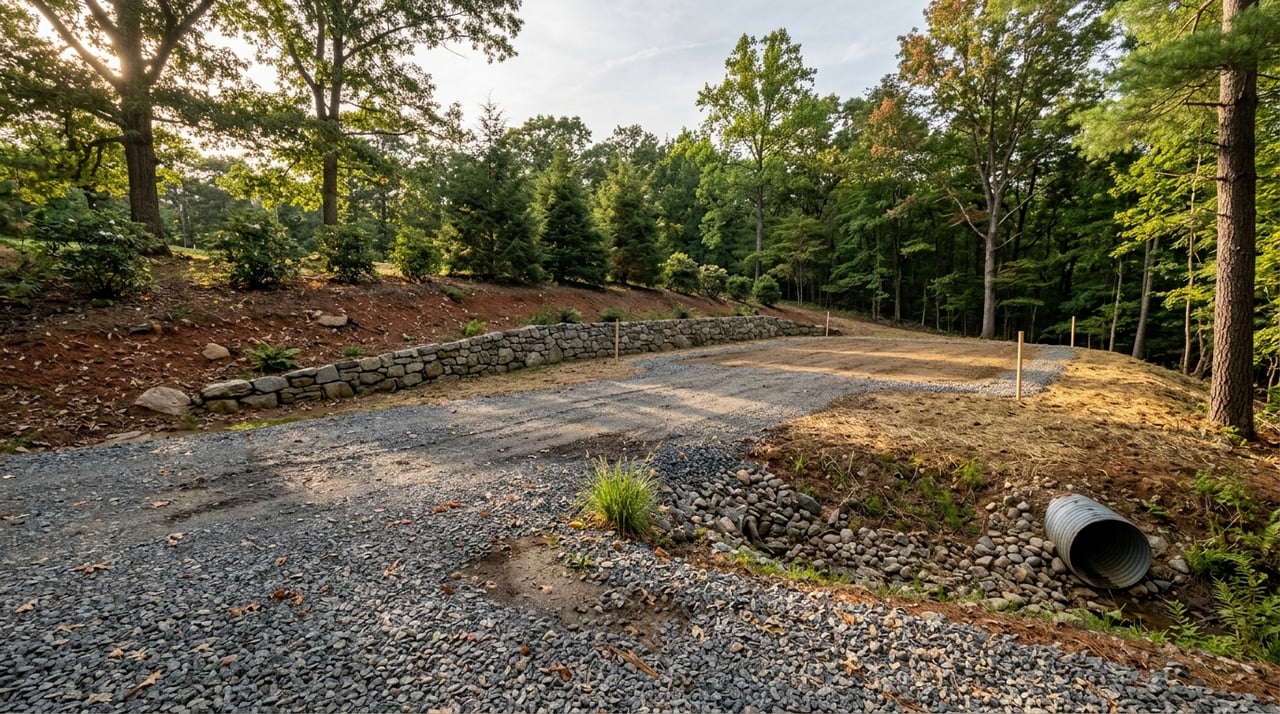
Thinking about buying land in Brasstown, NC and building your own place in the mountains? It can be an exciting move, but mountain land is very different from buying a typical neighborhood lot. If you want to avoid costly surprises, you need to understand slope, access, septic, wells, and local permits before you close. Here is what to know so you can move forward with more confidence.
Brasstown Land Works Differently
Brasstown sits in southwest Clay County near the Georgia line, and the land here is shaped by mountain terrain, creek corridors, and rural road systems. According to the NC DEQ Hiwassee Basin summary, the Brasstown Creek watershed is mostly forested with some low-density housing, pasture, and row-crop land use, and sampled sites were around 1,625 to 1,710 feet in elevation.
That matters because a beautiful parcel is not always an easy parcel to build on. In Brasstown, the real question is often not just how many acres you are buying, but how much of that land is truly usable for a home site, driveway, septic area, and future outdoor living.
Why Slope Matters So Much
The USDA description of the Brasstown soil series shows just how varied this terrain can be. These soils are deep, well drained, and moderately permeable, but they occur on ridges and side slopes in the Southern Appalachian Mountains, with slopes ranging from 2% to 95%.
In practical terms, gentler benches, natural clearings, and flatter building pads are usually simpler to develop than steep ridge or side-slope tracts. As slope increases, grading, drainage planning, and septic placement usually become more complicated.
Rainfall Adds Another Layer
The same USDA source notes about 60 inches of mean annual precipitation near the type location. With that kind of rainfall, runoff and drainage deserve close attention, especially on exposed or sloped lots.
A parcel may look perfect on a sunny showing day, but water movement after a heavy rain can change how buildable it really feels. That is one reason mountain-land due diligence needs to go beyond a quick walk of the property.
Check Access Before You Fall in Love
Access is one of the biggest land-buying issues in rural areas. A parcel can have great views and privacy, but if driveway access, frontage, or legal rights are unclear, your build plans can stall fast.
Road Frontage and Driveway Permits
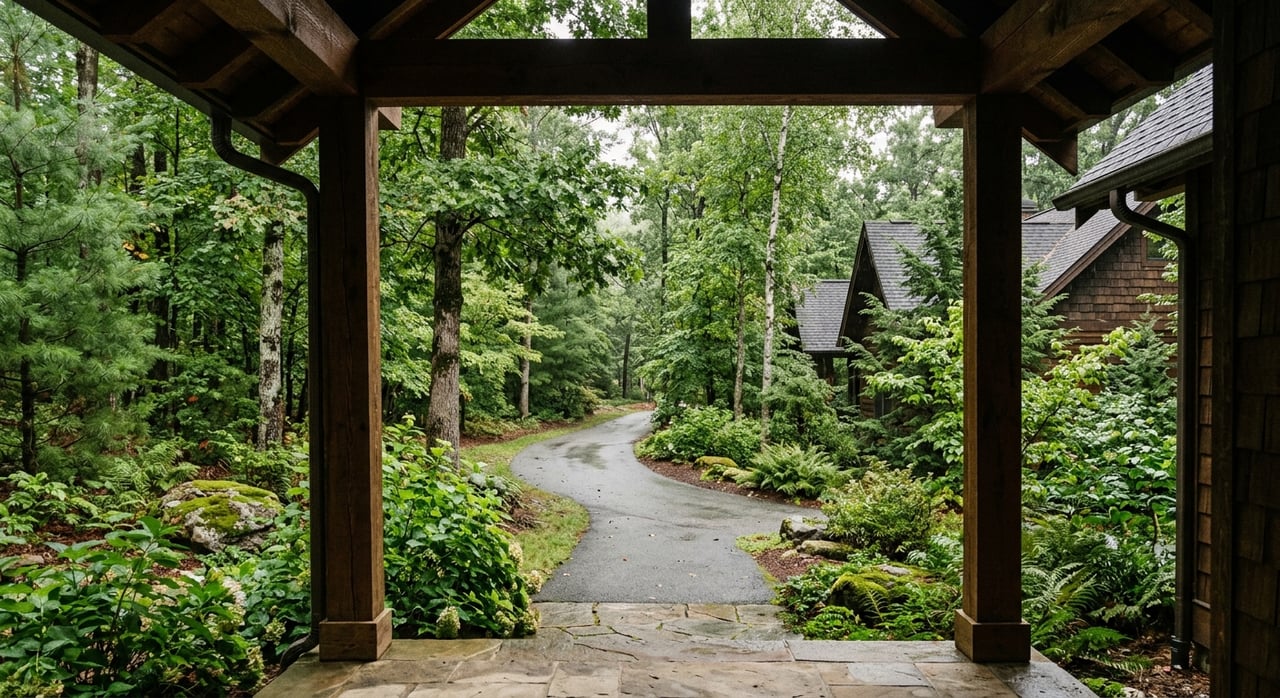
If your parcel fronts a state-maintained road, NCDOT requires a driveway permit when property is developed or access to the State Highway System is changed. That means driveway placement is not just a design choice. It can be part of your approval path.
This is especially important on rural tracts where frontage may be long, shared, steep, or hard to see from the road. Before you commit, make sure the lot has realistic physical access, not just a line on a map.
Addressing Is Part of Build Readiness
In Clay County, 911 Addressing provides permanent road addresses for residences and businesses countywide, mainly to support emergency response and mail delivery. Street numbers are assigned by distance along the road.
For land buyers, that is a reminder that creating a buildable site involves more than choosing house plans. Rural property often requires several administrative and site-readiness steps before construction can really begin.
Recorded Easements and Restrictions
The Clay County Register of Deeds maintains the permanent record of ownership transfers, deeds, and plats. If a parcel depends on a right of way, shared drive, easement, or private road agreement, those recorded documents matter.
This is not something you want to assume based on a seller conversation alone. Before closing, confirm deeded access, recorded plats, and any deed restrictions through the proper channels so you know what you are actually buying.
Septic and Well Approval Come Early
One of the most common mistakes land buyers make is treating septic and well questions as details to handle later. In Brasstown, these are early-stage issues that can determine whether a parcel fits your plans at all.
What Clay County Requires
Clay County Environmental Health outlines three common septic-related approvals: Improvement Permit, Construction Authorization, and Operation Permit. The county's septic guidance and local materials explain that the Improvement Permit is the site suitability review, and permits can last up to 60 months or 5 years depending on the documentation submitted.
The county also states that new construction, remodels, or additions requiring a building permit do not receive a Certificate of Occupancy, and power approval is not issued, until a valid Operation Permit exists. In short, septic approval is central to the build process, not a side step.
Site Plans Need Real Detail
Clay County's environmental health site-plan worksheet requires buyers to show property lines, corners, existing and proposed structures, well and water lines, driveway location, septic location, easements, utilities, wetlands, and buried streams or farm drains.
The county also says the property must be accessible for evaluation, and incomplete site plans can be returned, denied, or placed inactive. That means overgrown land, unclear corners, or missing details can slow your timeline and add cost.
Well Permits and Water Testing
Clay County notes that a private well construction permit identifies the approved area for drilling a new well and is valid for 5 years. After drilling, the contractor, pump installer, or owner must notify Environmental Health so the county can inspect the well head and collect water samples before the well is used.
At the state level, NCDHHS says newly constructed private wells in North Carolina must be tested by the State Lab of Public Health or a state-certified lab before they are used for drinking water, with bacterial and chemical testing within 30 days of completion.
Flood Risk Is Worth Checking Early
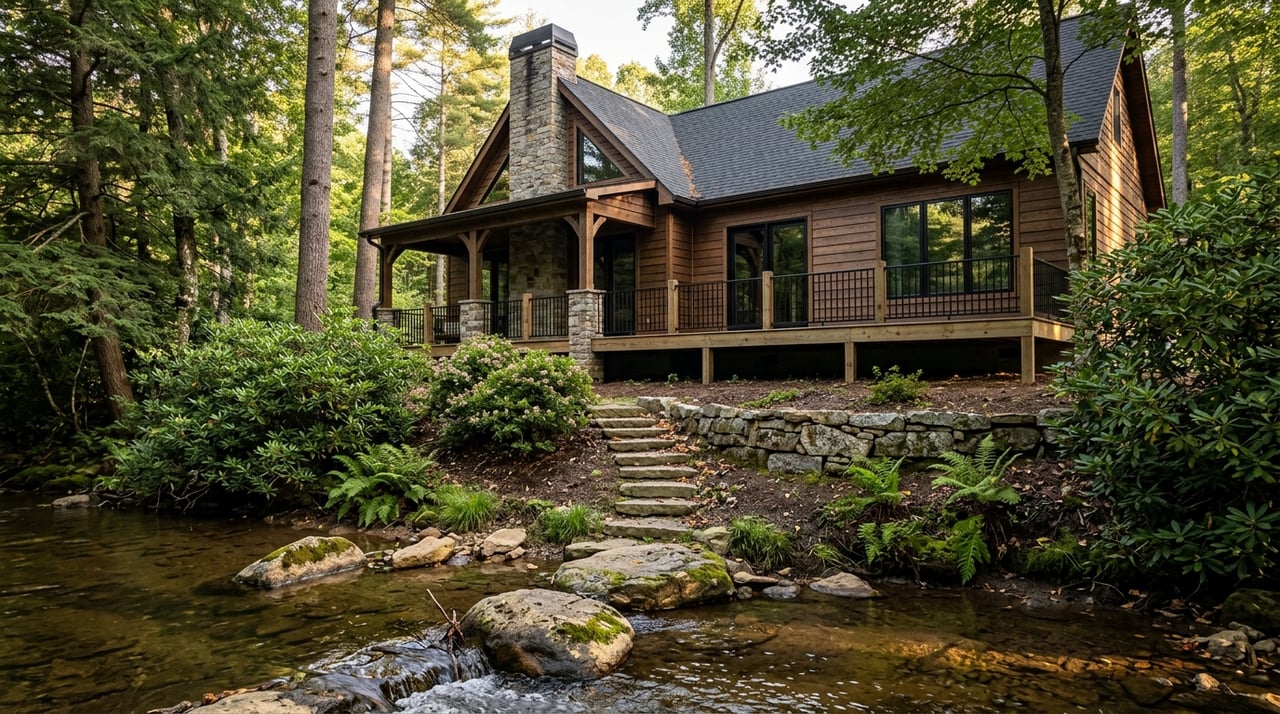
If you are drawn to a creekside parcel, make floodplain review part of your due diligence. Clay County states that any project in a FEMA AE flood zone needs a Floodplain Development Permit and a FEMA Elevation Certificate.
That does not mean creek-adjacent land cannot work. It does mean you should verify flood maps and understand what those requirements could mean for site design, timeline, and cost before you move ahead.
Storm Damage Can Affect Wells and Septic
Flood-prone or low-lying parcels may also carry hidden utility risks. After Hurricane Helene, NCDHHS urged western North Carolina property owners with flooded or storm-damaged wells or septic systems to have them inspected and repaired, disinfect and test wells, and inspect septic systems before using them again.
For buyers, that is a helpful reminder to think beyond the house site itself. Water movement, storm exposure, and site elevation can affect long-term maintenance and repair needs.
Match the Land to Your Plans
Not every parcel fits every goal. A single home site, a cabin getaway, a homestead, or a more intensive multi-unit concept can trigger different questions.
Single Home Site vs. Expanded Use
Clay County's building permit page says a zoning permit is required from the Town of Hayesville only if the parcel is inside town limits or ETJ. That is why it helps to verify local permit requirements before assuming county rules are the only rules that apply.
Clay County also maintains ordinances covering topics like subdivision, farmland preservation, residential park development, and RV use. If your long-term plan includes dividing land or creating something beyond one primary residence, review the county ordinances early.
Tiny Homes, RVs, and Park-Style Uses
The county's Residential Park Development Ordinance governs mobile home parks, tiny-home parks, recreational vehicle parks, campgrounds, and other clusters of temporary living units. A single cabin or homesite is different from that kind of use.
Still, if your plan might grow over time, it is smart to confirm where the line is before you buy. A parcel that works well for one home may not support a broader concept the way you expect.
Homestead and Hobby Farm Layout
If you want space for gardens, outbuildings, equipment, or animals, layout matters as much as acreage. Clay County's site-plan requirements make it clear that the footprint, driveway, parking, wells, septic, drainage, wetlands, and nearby utilities all need to fit together on the land.
That is especially important in Brasstown, where pasture and row-crop uses do exist locally, but slopes and septic capacity can still limit what works on a given parcel. The land should fit your plan on paper, not just in your imagination.
Build Costs Often Go Beyond the Land Price
Many buyers focus on price per acre. In Brasstown, a better question is what it will take to make the lot build-ready.
Common Site-Prep Budget Items
A realistic budget may include:
- Survey and title work
- Clearing, underbrushing, or mowing
- Driveway and culvert work
- Grading and drainage improvements
- Septic evaluation and installation
- Well drilling and testing
- Utility extensions
- Floodplain or driveway permits
These are not just optional extras. Clay County forms and permit requirements show that many of these items are part of the path to approval and construction.
Accessibility Can Affect Your Timeline
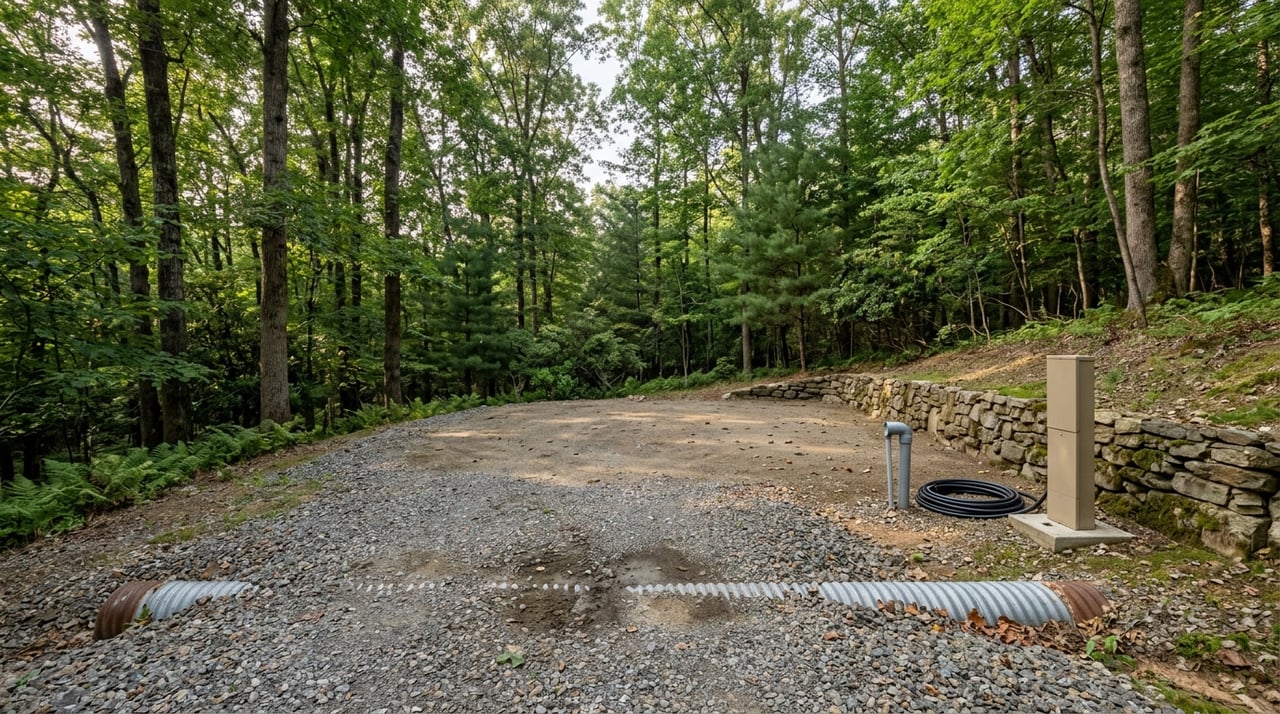
County staff note in the site-plan worksheet that a site evaluation may require clearing, underbrushing, and mowing. If the property is not marked, accessible, or complete for review, the application can be denied, placed inactive, or require a revisit fee.
That is why pre-closing due diligence matters so much with land. A parcel may be available, but that does not automatically mean it is ready for your timeline.
A Smart Due Diligence Order
When you are buying land in Brasstown, sequence matters. Taking the right steps in the right order can save you time, money, and frustration.
Start With These Checks
A practical order looks like this:
- Confirm deeded access and recorded restrictions.
- Verify floodplain status and driveway access.
- Review septic and well approval potential.
- Price out site work and utility needs.
- Match the parcel to your actual build plans.
That order lines up with county site-plan and permit requirements and helps you avoid spending money on house design before you know the lot can support it.
Buying mountain land should feel exciting, not overwhelming. With the right local guidance, you can sort through slope, access, utilities, and permits before they become expensive surprises. If you are thinking about buying land in Brasstown or anywhere around the Lake Chatuge and mountain corridor, Melissa Stillwell is here to help you evaluate properties with a practical, local-first approach.
FAQs
What should you check first when buying land in Brasstown, NC?
- Start by confirming deeded access, recorded easements or restrictions, floodplain status, and whether the parcel appears workable for septic, well, and driveway placement.
Does a land parcel in Brasstown, NC need septic approval before you build?
- Yes. Clay County requires septic-related approvals as part of the build process, and a valid Operation Permit is required before a Certificate of Occupancy and power approval are issued for applicable projects.
Can creekside land in Brasstown, NC be harder to build on?
- Yes. If a parcel is in a FEMA AE flood zone, Clay County requires a Floodplain Development Permit and a FEMA Elevation Certificate, so flood map review is important early on.
Why is slope such a big issue when buying land in Brasstown, NC?
- Brasstown land often sits on mountain ridges and side slopes, and steeper terrain can make grading, drainage, driveway construction, and septic placement more difficult.
Do you need a well permit for new construction on land in Brasstown, NC?
- If the home will use a private well, Clay County requires a well construction permit for the approved drilling area, and North Carolina requires testing before the water is used for drinking.
Can you use any Brasstown, NC parcel for a cabin, homestead, or multi-unit plan?
- Not always. The parcel's access, slope, septic capacity, permit requirements, and any applicable county ordinances can affect what type of use is realistic or allowed.