Thinking about buying a short-term rental in Young Harris? It is easy to see the appeal. Between Lake Chatuge, mountain views, outdoor recreation, and the steady pull of visitors coming for college events, wineries, and regional attractions, this area offers more than one reason for guests to book a stay. If you are weighing the numbers and the lifestyle, this guide will help you think through demand, seasonality, taxes, and property fit before you buy. Let’s dive in.
Why Young Harris draws short-term rental guests
Young Harris is not just a pass-through mountain town. Official city and county tourism materials position it as part of an "Enchanted Valley" experience centered on Lake Chatuge, outdoor recreation, dining, art, and scenic mountain travel.
That matters because a short-term rental here can appeal to several kinds of guests. You may see interest from lake visitors, hikers, people visiting Young Harris College, and travelers looking for a quiet mountain getaway near area attractions.
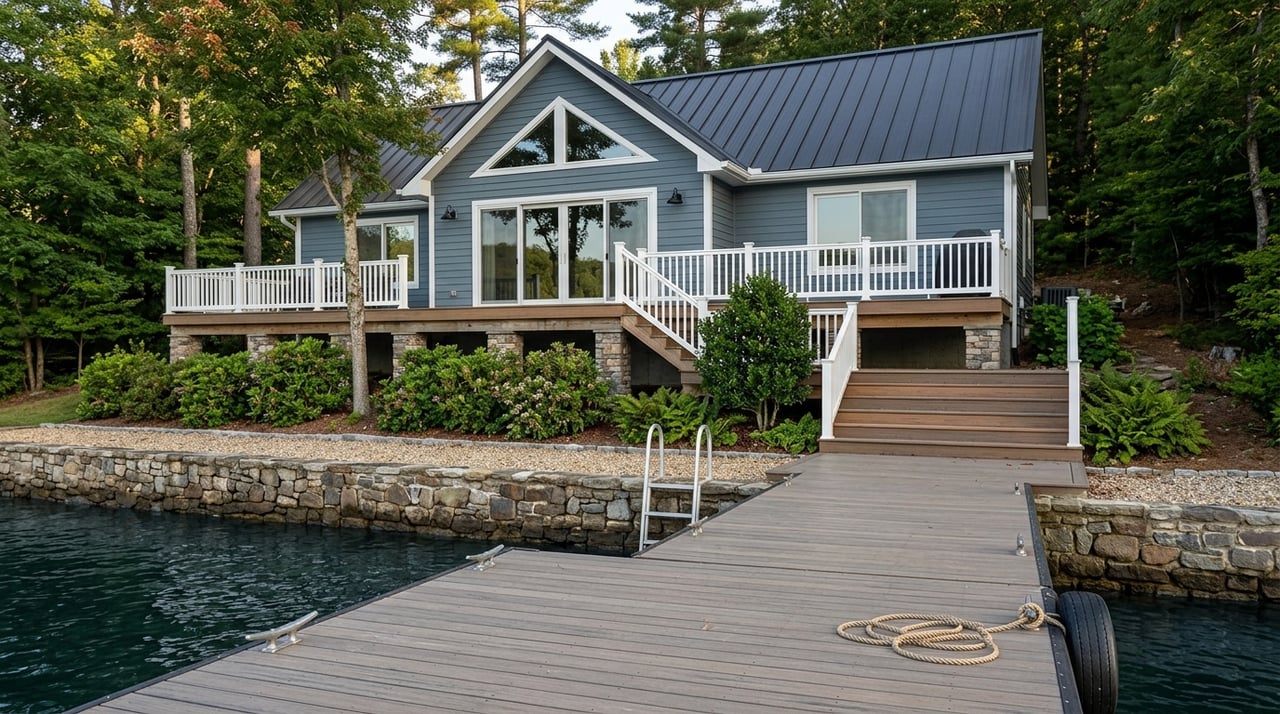
Lake Chatuge is one of the biggest demand drivers. The area is promoted for boating, swimming, skiing, fishing, and camping, and the lake itself has 132 miles of shoreline.
Young Harris College also adds another layer of visitor activity. The college highlights its proximity to Lake Chatuge and nearby outdoor recreation, which can support travel tied to campus visits, events, and family stays.
Regional destinations help widen the appeal beyond the lake. Brasstown Bald, vineyards, waterfalls, trout streams, galleries, restaurants, and Brasstown Valley Resort all support the idea that this is a destination-style market rather than a typical in-town lodging play.
What kind of short-term rental works here
In Young Harris, the best fit is often a lifestyle property. Guests are usually not choosing this area because they need to stay near a downtown business district. They are choosing it for the setting and the experience.
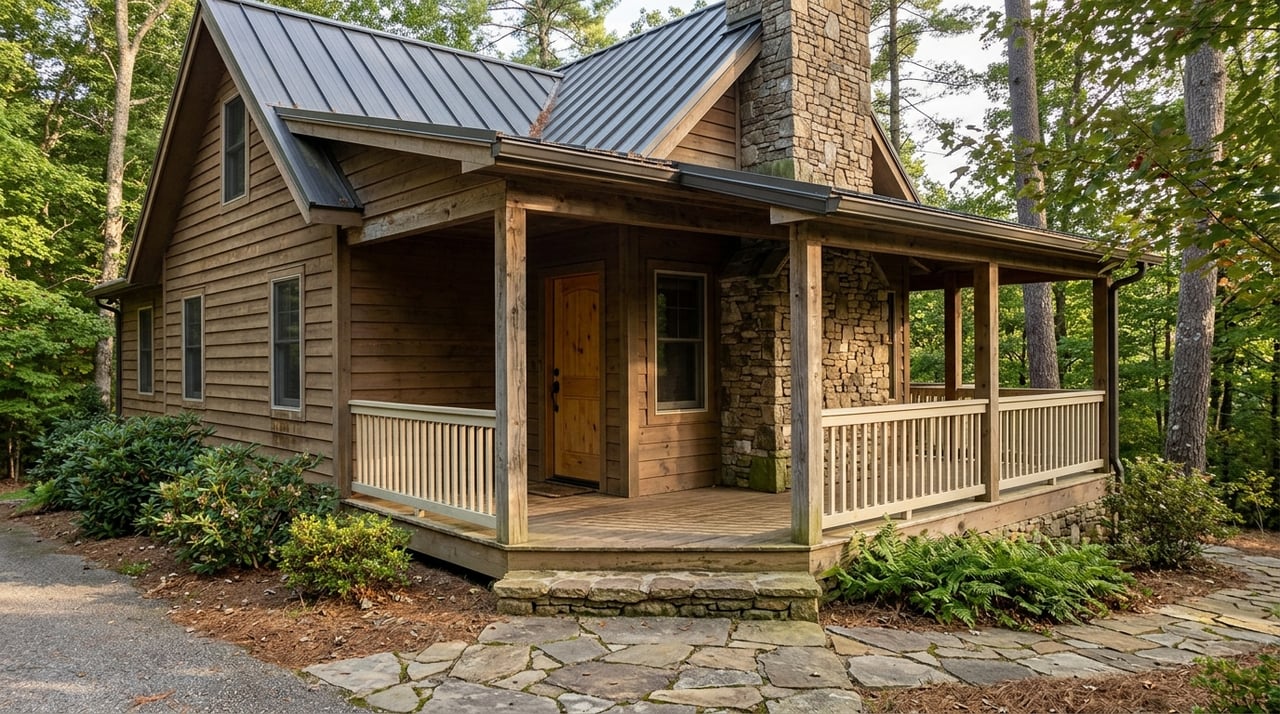
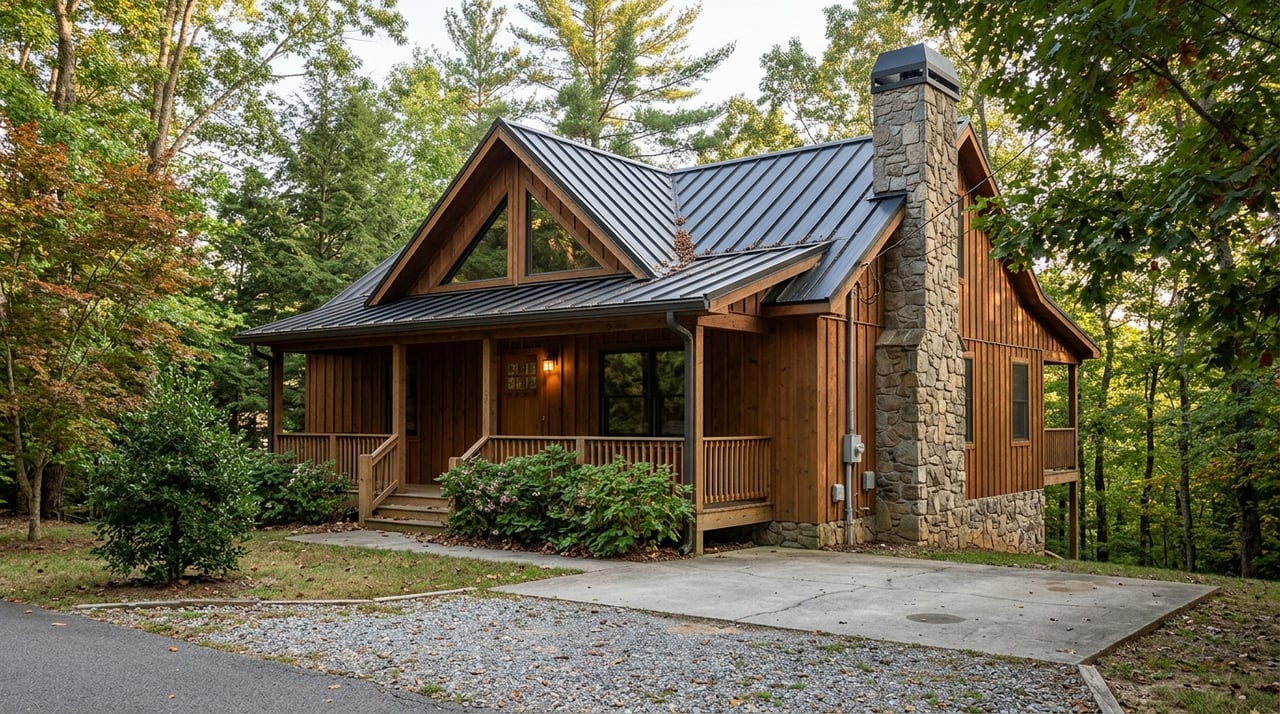
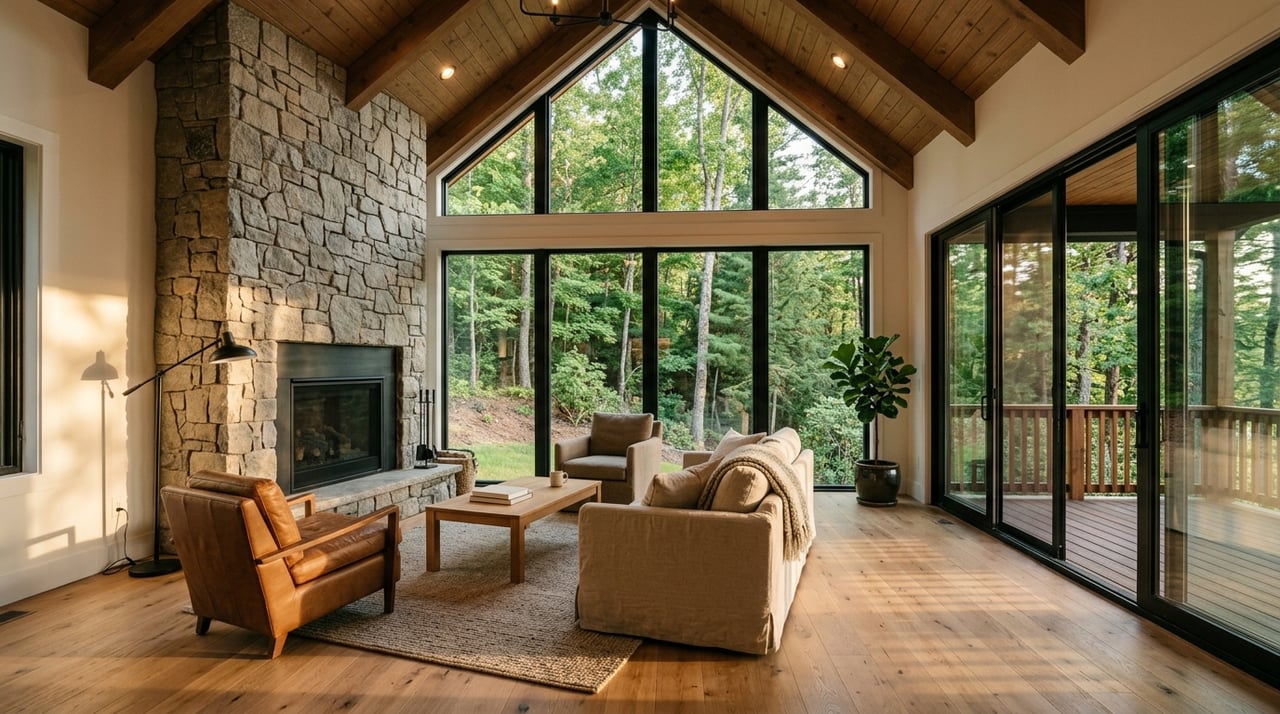
That means the home itself matters a lot. A cabin, lake-area home, or mountain property with usable outdoor space, simple access, and a comfortable setup may be more appealing than a property that looks good on paper but feels hard to use in real life.
You should think about the guest experience from the driveway forward. If guests arrive after dark, in bad weather, or during a busy travel weekend, easy parking and clear access can make a big difference.
Seasonality should shape your numbers
One of the biggest things to understand before buying is seasonality. Official tourism information points most clearly to strong warm-weather demand, especially around lake activity.
Lake Chatuge promotions emphasize spring, summer, and early fall recreation. County campground information also supports the idea that the strongest visitor period runs through the warmer months, with seasonal operations generally centered around April through October or November.
That does not mean winter demand disappears. College-related visits, holiday travel, and mountain getaways may still help fill slower periods, but buyers should be careful about assuming year-round peak performance.
A smart approach is to underwrite for a strong spring-through-fall season and then test the property against softer months. If the deal only works when the lake is busy, you need to know that before you close.
Start with the right due diligence questions
Before you fall in love with a view, make sure the property works as a rental. In mountain and lake markets, the wrong practical detail can create stress long after closing.
Here are some of the most important questions to ask early:
- Is the property inside the City of Young Harris or in unincorporated Towns County?
- Does the HOA or subdivision allow short-term rentals?
- Does the property use septic, and has the system been evaluated for guest use?
- Is road access manageable year-round?
- Is there enough off-street parking for guests?
- Is the internet reliable enough for guest expectations?
- Who will handle cleaning, trash, restocking, and storm prep?
- If the property needs work, what permits or inspections will be required?
These are not small details. In a market like Young Harris, they can shape both guest satisfaction and your long-term operating costs.
Taxes and local rules to verify before closing
This is one area where buyers need to slow down and verify the setup carefully. Georgia taxes accommodations, including short-term rentals and cabins.
According to the Georgia Department of Revenue, innkeepers must collect a $5 per night state hotel-motel fee for each calendar night an accommodation is rented. The state also says that stays become extended-stay rentals on the 31st consecutive day, and after that point the fee no longer applies.
The Georgia Department of Revenue also notes that sales tax applies to accommodations. If bookings are made through an online marketplace, the marketplace innkeeper is responsible for collecting and remitting the state hotel-motel fee.
At the local level, the Georgia Department of Community Affairs lists Towns County at a 5% hotel-motel excise tax rate. Research also shows that Young Harris city officials discussed the lack of a short-term rental policy in June 2025 and talked about hotel-motel tax revenue related to AirBnB properties inside city limits.
That is a strong sign that buyers should not assume the rules are simple or static. You should confirm whether the property is inside city limits, whether a city occupation tax certificate is required, and whether any city lodging tax or zoning-related approval may apply.
City limits versus county matters
This may be one of the most important details in the entire process. A home with a Young Harris mailing address is not always the same as a home located inside the City of Young Harris.
That difference can affect taxes, permitting, and local approvals. The city publishes an Occupation Tax Certificate Application and also maintains codes and ordinances, so your first step should be to confirm the parcel’s actual jurisdiction.
If the home is outside the city and only in unincorporated Towns County, your checklist may look different. If it is inside city limits, you may have another layer of review before you begin operating.
Septic, building, and site issues deserve extra attention
Many mountain and lake properties have features that work well for personal use but need a closer look for rental use. Septic is one of the biggest examples.
Towns County’s Health Department lists on-site sewage disposal and tourist accommodations under environmental health services. If a home relies on septic, frequent guest turnover can make system capacity and maintenance especially important.
If you are buying a fixer-upper, building a new property, or planning a major renovation, permit issues also matter. Towns County’s Building Department handles building permits and inspections for residential and commercial work.
The county also notes that a Mountain Protection Permit is required for land disturbance above 2,200 feet of elevation. For new construction or major site work, that can become a key part of your timeline and budget.
There is another practical step many buyers overlook. Towns County 911 Mapping says addresses are assigned after an approved building permit, a driveway in place, and footer inspection. If you are planning to build for short-term rental use, this can affect your project schedule.
Property features that can make or break the rental
Not every pretty house makes a good short-term rental. In Young Harris, some of the best-performing features may be the least glamorous ones.
Look closely at:
- Easy road access
- Enough off-street parking
- Reliable HVAC
- Strong internet service
- Durable interior finishes
- Comfortable outdoor living space
- Practical water and septic setup
- A driveway guests can manage safely
Steep roads, limited parking, or a fragile setup can create avoidable problems. A home that is easier to own often becomes easier to rent.
Think through management before you buy
A short-term rental is not just a property purchase. It is an operating business with moving parts.
Before closing, decide how you plan to manage cleaning, restocking, maintenance calls, and weather-related prep. In a mountain market, storm response and guest communication can become especially important.
Most owners will land in one of three buckets:
- Self-managing from nearby
- Hiring a local property manager
- Using a hybrid model with local service support
There is no one-size-fits-all answer. The right choice depends on how often you will be in the area, how hands-on you want to be, and how quickly you can respond when something needs attention.
Is Young Harris a smart short-term rental market?
For the right buyer, it can be. Young Harris appears well suited to a part-time ownership model because it combines lake recreation, mountain scenery, destination amenities, and a college presence.
The opportunity is real, but it is not automatic. This is a market where success depends on buying the right property, modeling realistic seasonality, and confirming the local tax and permit setup before you commit.
If you are considering a cabin, lake-area home, or mountain property for short-term rental use in Young Harris, local guidance can save you time and help you avoid expensive surprises. If you want help narrowing down properties, checking location-specific details, or understanding how a home fits your goals, reach out to Melissa Stillwell to schedule a free consultation.
FAQs
What makes Young Harris, GA appealing for a short-term rental?
- Young Harris benefits from demand tied to Lake Chatuge, outdoor recreation, Young Harris College, vineyards, mountain travel, and regional attractions like Brasstown Bald.
How seasonal is a short-term rental in Young Harris, GA?
- Official tourism clues suggest stronger spring-through-fall demand, especially around lake activity, with slower months that should be modeled carefully.
What taxes apply to a short-term rental in Young Harris, GA?
- Georgia requires a $5 per night state hotel-motel fee on qualifying stays, sales tax applies to accommodations, and Towns County is listed at a 5% hotel-motel excise tax rate, with possible city-level considerations to verify.
Why does city versus county location matter for a Young Harris short-term rental?
- A property inside the City of Young Harris may face different tax, occupation certificate, or zoning-related requirements than a property in unincorporated Towns County.
What property features matter most for a Young Harris vacation rental?
- Easy access, parking, reliable HVAC, solid internet, durable finishes, usable outdoor space, and a septic setup that can handle guest turnover are some of the most important features.
What should you check before buying a short-term rental in Towns County, GA?
- You should verify jurisdiction, HOA rules, septic capacity, road access, permit needs, tax obligations, and your plan for cleaning, maintenance, and guest support.