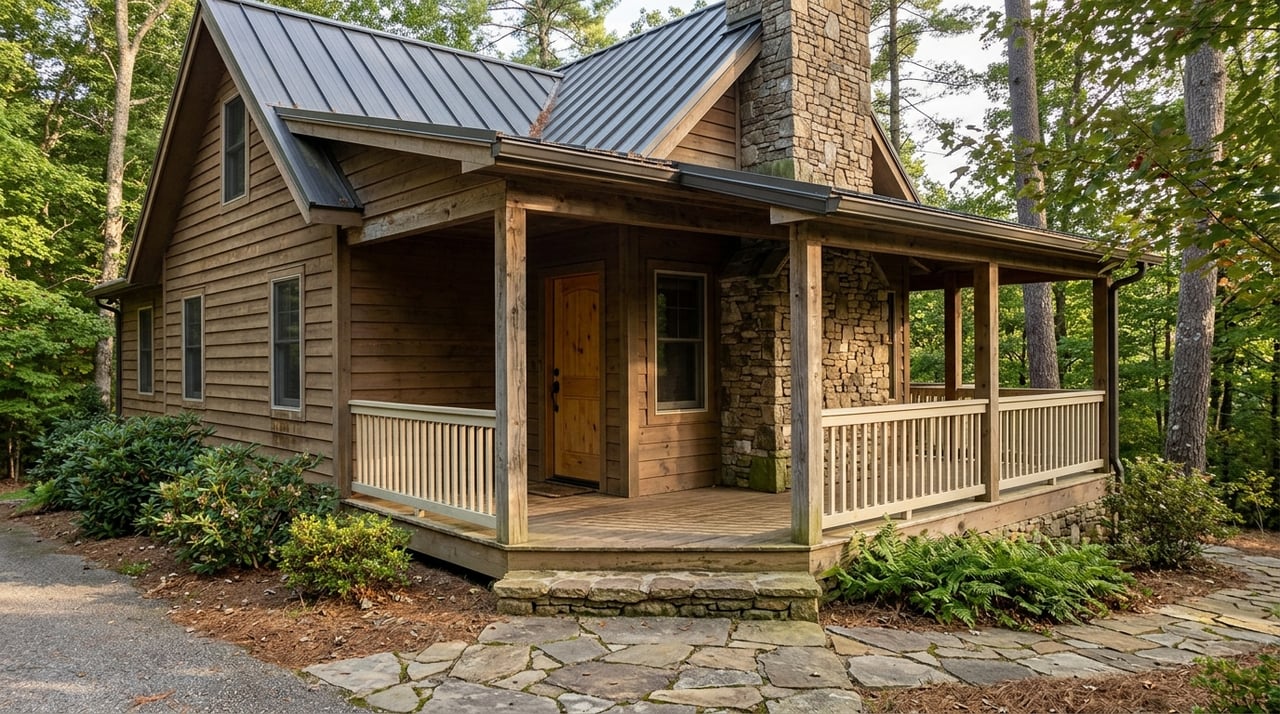
If you own a cabin in Blairsville but live in another state, selling it can feel like a lot to manage from afar. You may be wondering how to handle pricing, prep work, showings, paperwork, and closing without making repeated trips back to North Georgia. The good news is that with the right local plan, you can stay organized, protect your time, and move through the sale with far less stress. Let’s dive in.
Why Blairsville cabins attract attention
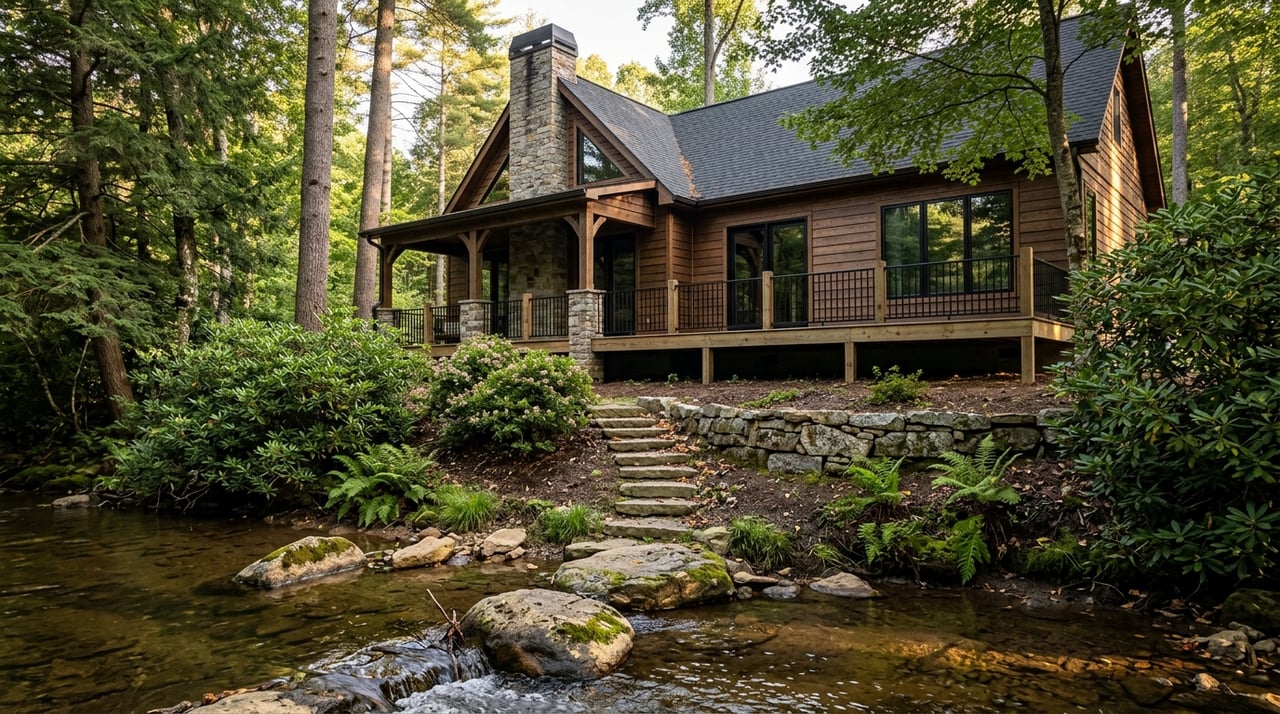
Blairsville appeals to more than just full-time local buyers. Its setting in the North Georgia mountains, plus access to places like Lake Nottely, Brasstown Bald, and Vogel State Park, helps draw second-home buyers, weekend visitors, and relocation buyers.
That broad buyer pool matters when you sell. Many shoppers may first discover your property online, narrow down options remotely, and only travel once a home makes the short list. That is one reason strong pricing, property condition, and high-quality listing media carry so much weight in this market.
What the market means for your sale
Recent data points to a market that is active but not instant. As of April 30, 2026, Blairsville had 270 active listings, a typical home value of $382,406, a median list price of $461,000, and a median days-to-pending figure of 74. Union County data from March 2026 also showed a median sale price of $401,000 and 73 median days on market.
For you as an out-of-state seller, that means preparation matters. Buyers have choices, and cabins are often compared closely on condition, location, features, and presentation. A well-prepared property with clear documentation and professional marketing is better positioned to compete.
Start with your documents
When you live out of state, the easiest way to lose time is to wait too long to gather records. Before you list, pull together the documents a buyer is most likely to ask about during due diligence.
Key items often include:
- Your deed
- Plat or survey, if available
- Septic records
- Utility information
- HOA or POA rules, if they apply
- Receipts or summaries for upgrades and repairs
- Building permits or improvement records
- Covenants or restrictions, if applicable
In Union County, the Clerk of Superior Court is the official recorder of real estate documents, including deeds, plats, and certain related records. The county’s open-records information also points owners there for property documents, divorce decrees, and covenants or restrictions, which can be helpful if you need to replace missing paperwork.
Check permits before buyers do
Cabin owners often make updates over time, especially on second homes. Deck work, additions, utility changes, accessory structures, and land improvements can all come up once a buyer starts asking questions.
Union County states that permits are required for dwellings, accessory structures over 150 square feet, footprint changes, water, sewer, and electric connections, work in stream buffer or flood hazard areas, tree removal in mountain protection areas, and land disturbance. Depending on the project, permit applications may require a recorded plat, the most recent deed, a floor plan, and sometimes septic or Environmental Protection Division items.
That does not mean every past project becomes a problem. It does mean you should review what was done at the property and gather records early so you can answer questions clearly and avoid last-minute surprises.
Know if short-term rental rules apply
If your cabin has been used as a short-term rental, that history may affect what you need to verify before listing. This is especially important if you have been treating the property as an income-producing getaway rather than just a personal second home.
Union County requires short-term rental properties to register with the county and pay applicable excise taxes. The county also notes that properties inside the City of Blairsville should be handled through Blairsville City Hall, so jurisdiction matters.
The county’s short-term rental materials say an application requires:
- A copy of your ID
- A notarized SAVE affidavit
- A septic permit
The county also states that owners must remit a 5% county short-term rental excise tax, 7% state sales and use tax, and a $5 state hotel-motel fee per night unless the stay qualifies as an extended stay. If your cabin has been a rental, it is smart to review your registration and tax status before the property goes live and again before closing.
If the cabin is older, review lead rules
Age matters for one specific reason that sellers should not overlook. If your cabin was built before 1978, federal lead-based paint disclosure rules apply.
That means sellers must provide any known information about lead-based paint and any available reports before a buyer signs a contract. Buyers must also receive the required lead hazard pamphlet and be given a 10-day opportunity to conduct a lead inspection or risk assessment.
How a local listing agent helps remotely
Selling from out of state gets easier when one local professional manages the moving parts on the ground. Under Georgia law, a broker engaged by a seller must perform the brokerage engagement, seek the seller’s acceptable price and terms, timely present offers, disclose material facts actually known, account for money and property received, and keep certain seller information confidential unless disclosure is required by law.
In practical terms, that means your listing agent becomes your local coordinator. Instead of trying to manage vendors, property access, buyer questions, and contract communication from hours away, you have one trusted point of contact handling those details.
For many absentee owners, the most helpful support includes:
- Property walk-throughs
- Coordination of cleaners and handymen
- Showing access
- Contract communication
- Regular status updates
That kind of hands-on help is especially valuable in a market where buyers may compare many similar mountain properties before deciding which ones to tour in person.
Presentation matters for mountain buyers
Because Blairsville is within a few hours of Atlanta, Chattanooga, and Greenville, many buyers shop the area as a weekend destination or future relocation option. They may not know the property in person yet, which means your listing has to do more of the heavy lifting upfront.
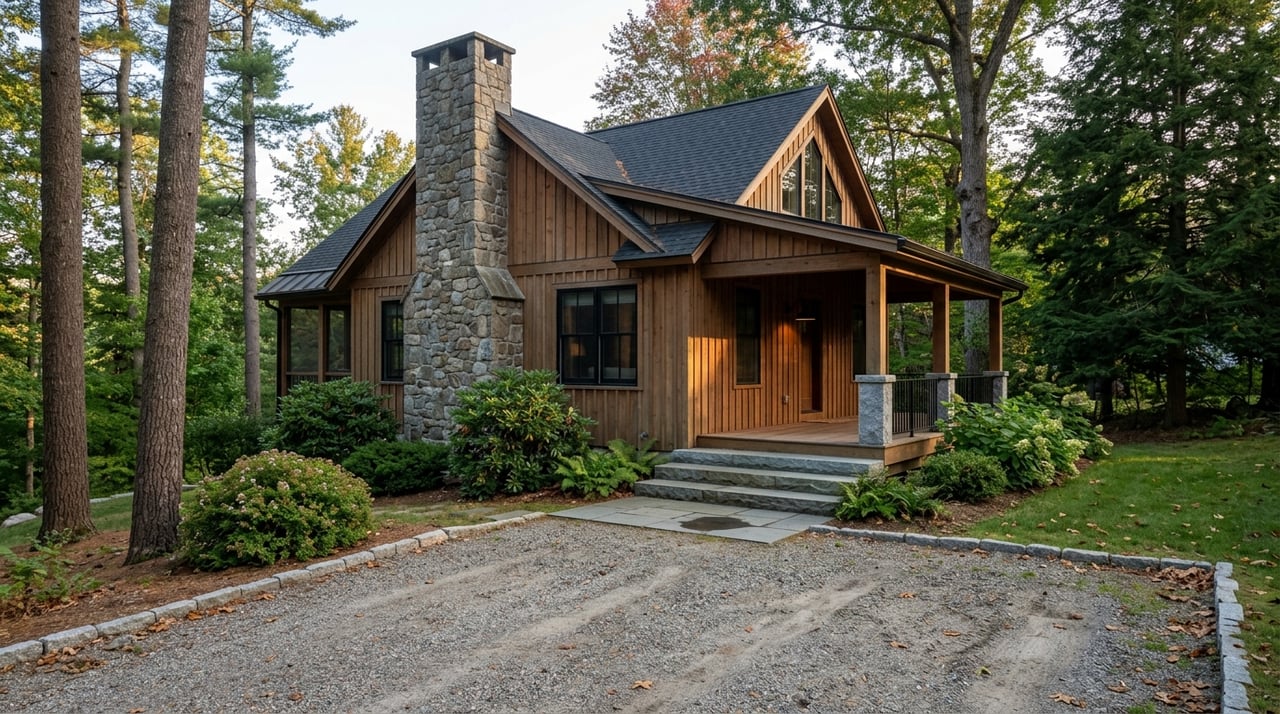
Professional photography and strong visual marketing help buyers understand the cabin’s setting, layout, and features before they schedule a visit. For mountain and cabin properties, that can be especially important because details like porch space, views, privacy, road access, outdoor living areas, and overall condition often influence whether a buyer takes the next step.
A simple remote-selling plan
If you want the process to feel manageable, focus on the sequence. Most successful out-of-state sales follow a clear pattern rather than trying to solve everything at once.
Step 1: Gather records early
Start with the deed, plat, septic information, permit history, and any community rules. Add upgrade receipts and repair notes if you have them.
Step 2: Review property condition
Have a local professional walk the cabin and note anything that may affect showings or due diligence. This is the time to handle small repairs, cleaning, or basic maintenance.
Step 3: Confirm rental and compliance details
If the cabin has been a short-term rental, verify county or city requirements and make sure your paperwork is current. If the home predates 1978, prepare for lead-based paint disclosures.
Step 4: Price for today’s market
With inventory available and median days on market around 73 to 74 days, pricing should reflect current competition. A comparison-driven strategy is often more effective than aiming high and hoping buyers overlook better-prepared alternatives.
Step 5: Launch with strong marketing
High-quality photos, clear property details, and broad online exposure matter because many buyers begin remotely. A polished launch helps your cabin stand out before anyone ever drives up the mountain.
Step 6: Manage showings and offers locally
Once the property is live, your agent can coordinate access, monitor feedback, and keep communication moving. That allows you to stay informed without having to be physically present.
Step 7: Plan for remote closing
As the sale nears the finish line, your closing process should be set up correctly for out-of-state signatures and recording. This is where local closing coordination becomes critical.
Can you close without coming back?
In many cases, yes. Out-of-state sellers can often complete the sale remotely, but the paperwork still has to be handled through a compliant process.
Union County states that deeds must have a witness and notarization to be recorded. Georgia’s deed system also supports electronic recording and electronic signatures for real estate documents, and the state’s eFiling system requires identity verification for electronic submission of real estate documents.
The takeaway is simple: remote closing is often possible, but it is not just a casual email-signature situation. You need a title company or attorney process that handles the signing and recording requirements correctly.
What to expect after closing
Even after the sale, you may need copies of recorded documents for your records. If you are missing paperwork later, Union County routes requests for deeds, plats, and covenants or restrictions through the Clerk of Superior Court.
Georgia also offers online access for certain certified copies through the state’s eCertification system. For an absentee owner, that can make post-closing recordkeeping much easier.
Why local guidance matters most
When you are trying to sell a Blairsville cabin from another state, the challenge is usually not one big issue. It is the stack of little details that can slow you down if no one is managing them locally.
You need accurate pricing, clean marketing, organized records, reliable property access, and a closing process that works from a distance. With the right local support, you can keep the sale moving, respond to buyer concerns quickly, and avoid making the process harder than it needs to be.
If you are thinking about selling your Blairsville cabin and want a guided, full-service approach, Melissa Stillwell can help you navigate the process from start to finish.
FAQs
Can you sell a Blairsville cabin while living out of state?
- Yes. With a local Georgia listing agent managing the property, showings, offers, and communication, many sellers can complete the process remotely.
What documents matter most when selling a cabin in Blairsville?
- The most important records usually include the deed, plat or survey, septic documents, permit history, HOA or POA rules, and receipts for upgrades or repairs.
What should you check if your Blairsville cabin was a short-term rental?
- You should verify whether the property was properly registered, whether taxes were remitted, and whether the cabin falls under Union County or the City of Blairsville for short-term rental oversight.
Do pre-1978 cabins in Blairsville need special disclosures?
- Yes. If the cabin was built before 1978, federal lead-based paint disclosure rules apply before a buyer signs a contract.
How long does it take to sell a cabin in Blairsville, Georgia?
- Recent local market data points to about 73 to 74 days on market or to pending, so sellers should plan for a process that may take time rather than assume a quick sale.
Can closing documents for a Blairsville sale be signed remotely?
- Often yes, but the signing and recording process must still meet Georgia requirements for notarization, witnessing, identity verification, and recording compliance.