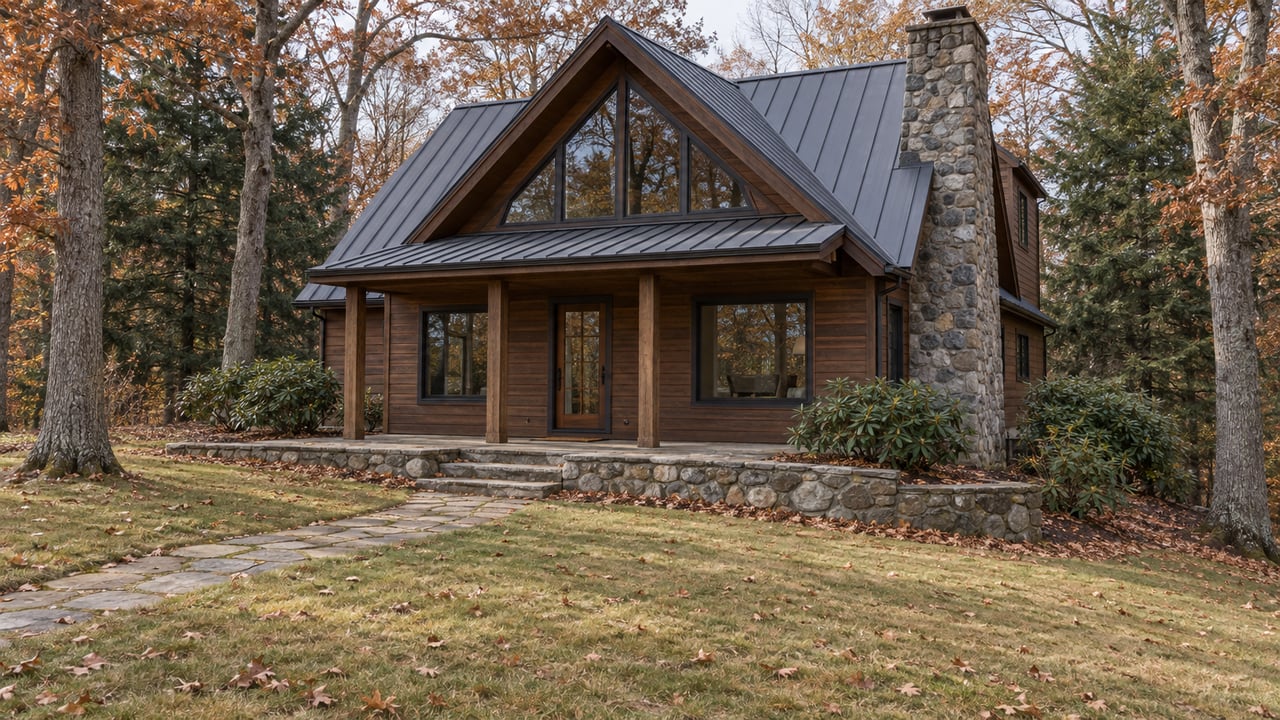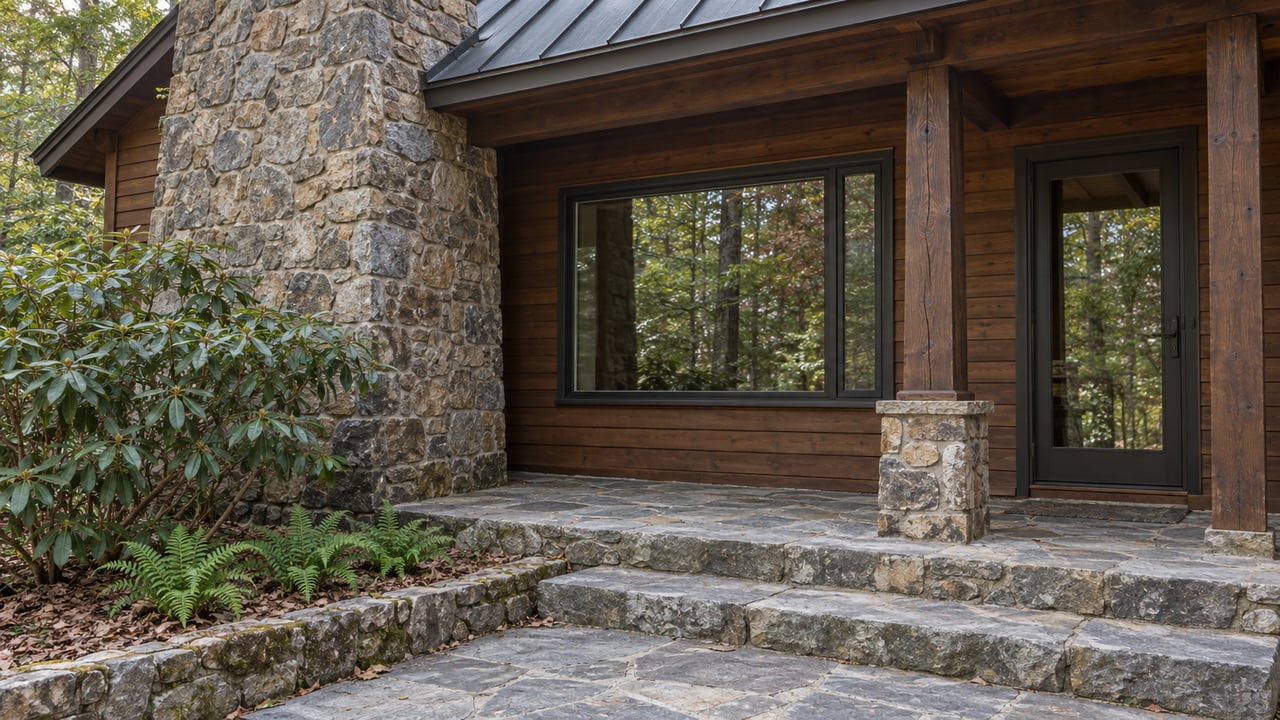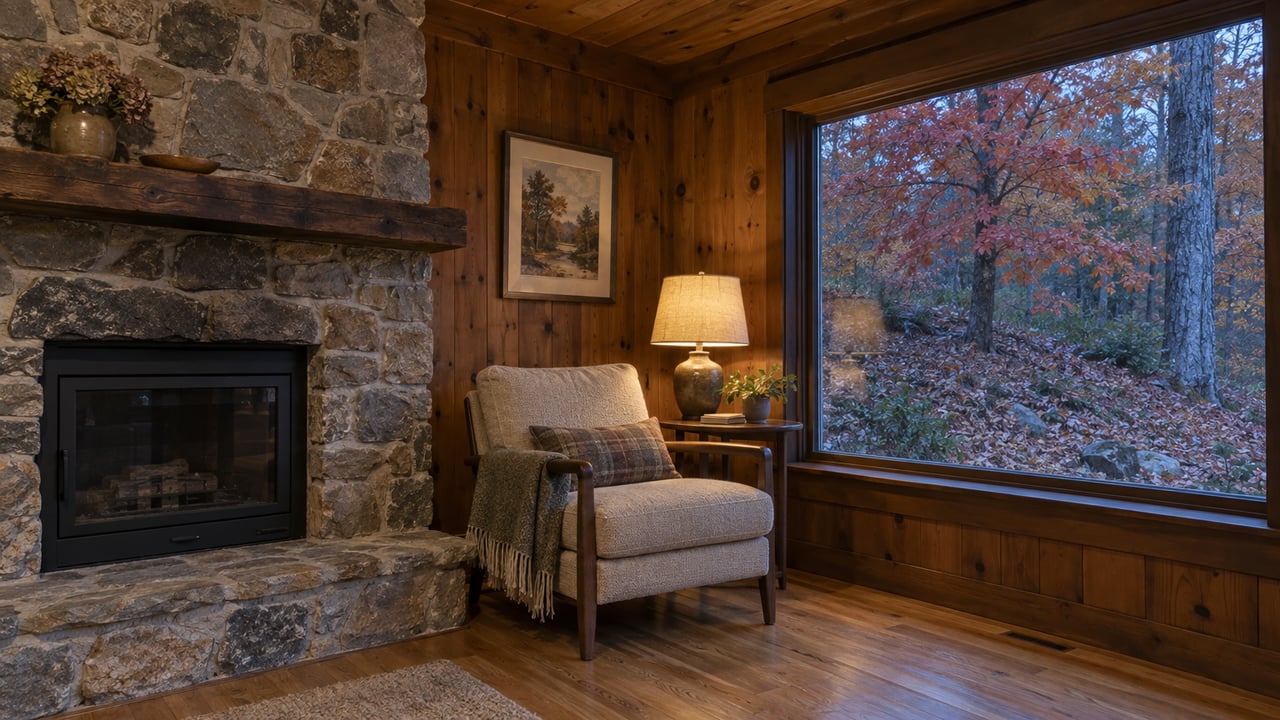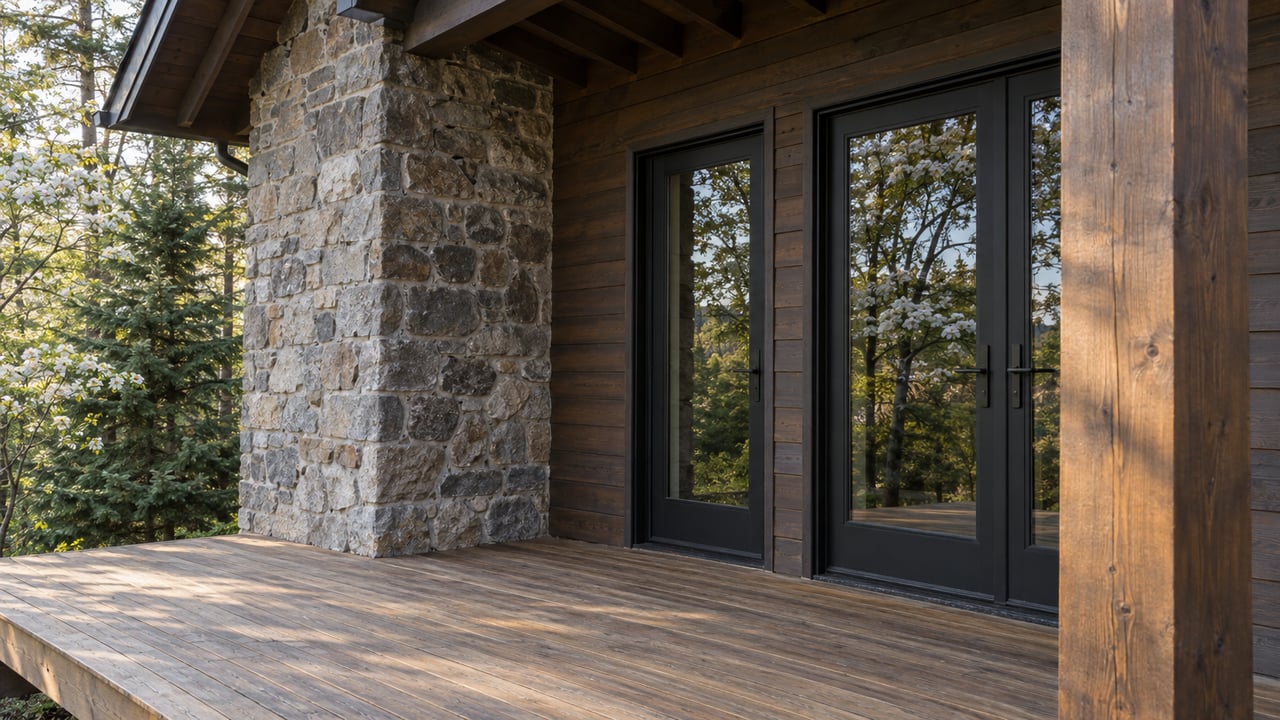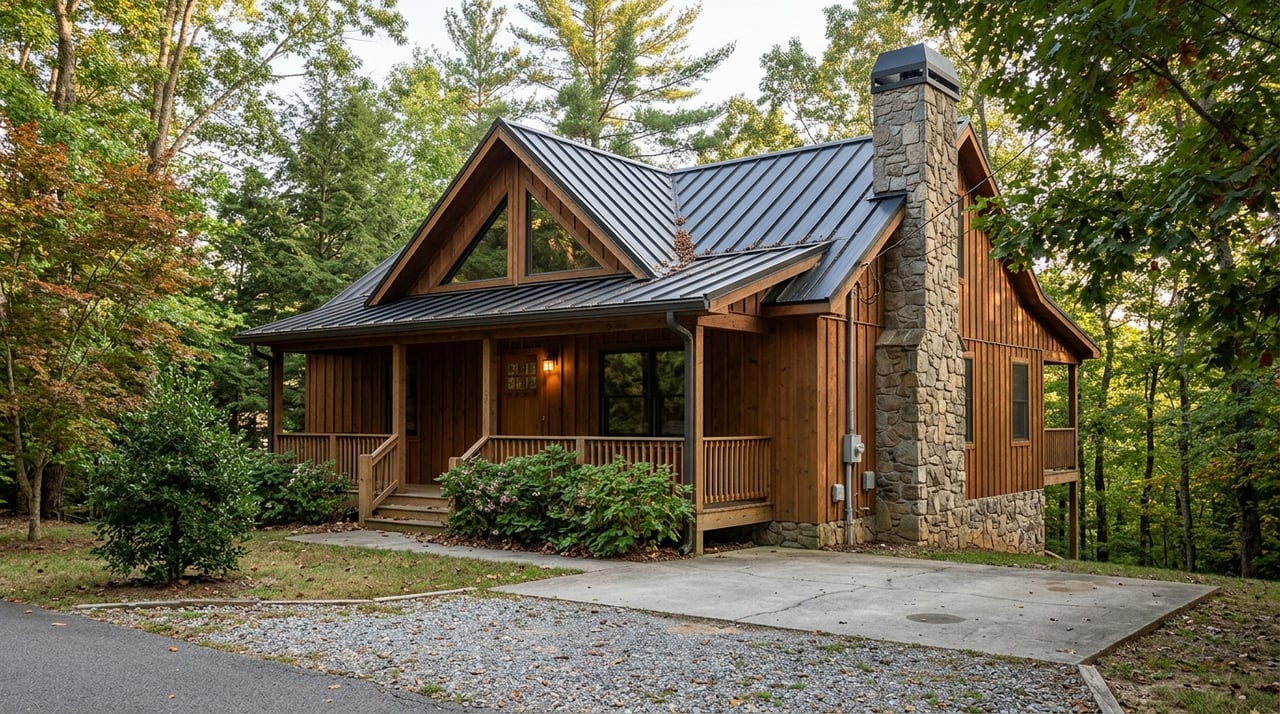
If you are dreaming about a mountain cabin, Andrews, North Carolina may feel like the kind of place you have been hoping to find. It offers a quieter valley setting in Cherokee County, with mountain access and a smaller housing stock that can create real opportunity for buyers who do their homework. If you are considering a full-time move, a second home, or a seasonal retreat, knowing what to check before you buy can save you time, money, and stress. Let’s dive in.
Why Andrews appeals to cabin buyers
Andrews is described by the town as a serene valley community in the foothills of the Great Smoky Mountains. That setting can be a strong fit if you want mountain living with a calmer pace and without the heavier tourism focus found in some nearby mountain towns.
Compared with places like Bryson City, Robbinsville, Hayesville, and Murphy, Andrews often reads as a more practical middle ground. You still get the mountain setting, but the town’s identity is less centered on heavy visitor traffic and more on everyday livability.
That does not mean every cabin listing is simple. The Cherokee County housing needs assessment estimates the Andrews submarket at 883 total housing units, with 61.9 percent owner-occupied and 21.5 percent vacant. In a smaller market with a notable share of vacant homes, condition, maintenance history, and utility details matter even more.
Start with access and address
One of the first things to verify is whether the property has clear legal access and a usable 911 address. Cherokee County requires a 911 address before a residential building permit is issued, and the county notes that correct addressing matters for utilities, deliveries, and emergency response.
That sounds basic, but it can affect how practical a cabin really is for daily use or future updates. Before you assume a mountain property is move-in ready, confirm the road frontage, driveway location, and posted address details.
Cherokee County also provides a GIS viewer, but the county says map-based information should be verified against primary records like deeds and plats. In other words, do not rely on a map screenshot alone when access is a major part of the property’s value.
Check zoning before you fall in love
Cabins often come with features that make buyers excited right away, such as wraparound decks, outbuildings, long driveways, or additions added over time. In Andrews, those details should trigger more questions, not fewer.
Town planning staff advise buyers to contact the Andrews Planning and Development Office before purchasing because the property must meet the Andrews Development Ordinance. The town also maintains active zoning and flood-damage-prevention ordinances, which makes pre-offer review especially important.
This step matters if you are buying a cabin with an older addition, thinking about future changes, or simply trying to confirm that the current setup complies with local requirements. A quick check early in the process can help you avoid expensive surprises later.
Understand water and sewer setup
One of the biggest cabin-buying questions in Andrews is whether the property is connected to town water and sewer or relies on a private well and septic system. You should never assume either setup without written confirmation.
The town maintains municipal water and sewer paperwork, while Cherokee County Environmental Health handles septic systems, wells, and water testing. County residential permit rules require written approval for either septic and well or town or service-district water and sewer, along with zoning approval where needed.
For buyers, this means utility due diligence is not optional. In-town properties may connect to public systems, but cabins outside town often depend on private systems, and those details can affect maintenance, inspection needs, and long-term usability.
Ask for permits and system records
When you buy a cabin, the paper trail matters almost as much as the view. Ask for the septic permit, well permit, and any permits for remodels, additions, plumbing, electrical, or HVAC work.
Cherokee County requires permits for construction and for plumbing, electrical, and HVAC work. If a seller cannot provide clear documentation, that does not automatically mean something is wrong, but it does mean you should investigate further before moving forward.
For private wells, North Carolina DEQ says county health departments handle the permitting process. In the Andrews area, that makes the permitting file, water quality testing, and well details part of a smart due-diligence package.
Pay close attention to slope and septic suitability
A beautiful mountain lot can still come with major practical limits. In Cherokee County, rough topography can increase development and building costs, and the county appraisal manual notes that many tracts have soils that are difficult for ground-absorption septic systems.
That point is especially important if you are buying acreage with plans to expand, rebuild, or add guest space later. The county specifically warns that a buyer of acreage may not be able to get a septic permit for the desired building site.
When you tour a cabin, take time to walk the land. Look at slope, drainage, retaining walls, and how the driveway performs from the road to the house. What looks charming on a listing sheet may feel very different once you consider access, runoff, and future maintenance.
Watch for floodplain and creek issues
Water features can add beauty to a cabin property, but they also require extra review. If a property sits near a river, lake, stream, or creek, Cherokee County says the building department should be contacted before permit application because floodplain and watershed rules may apply.
The town also maintains a flood-damage-prevention ordinance, and the county building office lists floodplain and watershed administration among its responsibilities. That means buyers should look carefully at creek crossings, low areas, bank erosion, and whether any additions or outbuildings may sit in mapped hazard areas.
This is one area where local review is worth the effort. A creekside setting may be part of the appeal, but you want to understand how that location affects use, improvements, and future costs.
Factor in seasonal wear and mountain maintenance
Andrews has a mountain climate that can influence how a cabin ages. NOAA data for Andrews shows a mean annual temperature of 56.8 degrees, with January averaging 38.4 degrees and July averaging 74.3 degrees.
For buyers, that points to a market where heating performance, insulation, roof condition, and drainage deserve close attention. These are not glamorous details, but they can make a big difference in comfort and maintenance costs.
The Andrews submarket also includes a meaningful share of vacant homes. If a cabin has been used seasonally or has sat empty for stretches, look closely for signs of deferred maintenance, moisture issues, drainage problems, or wear tied to long vacancy.
Compare Andrews to your lifestyle goals
Choosing the right mountain town is not just about the cabin itself. It is also about whether the location fits the pace and setting you want.
Murphy is the county seat and highlights a walkable downtown, shops, restaurants, and Hiwassee Lake. Bryson City leans into Great Smoky Mountains tourism, Fontana Lake, the Nantahala River, and its downtown attraction mix. Robbinsville is tied closely to routes and outdoor draws like the Tail of the Dragon, Cherohala Skyway, Fontana Dam, and Joyce Kilmer Memorial Forest. Hayesville emphasizes Lake Chatuge and a traditional town-square feel.
Andrews can be a strong fit if you want a quieter base with mountain access and a less tourism-driven feel. That is why it helps to compare not just prices, but also daily rhythm, utility setup, road access, and the kind of property ownership experience you actually want.
A practical Andrews cabin checklist
Before you make an offer, keep this short list in front of you:
- Confirm legal access, road frontage, driveway location, and 911 address status.
- Verify whether the property uses town water and sewer or a private well and septic system.
- Request septic, well, remodel, electrical, plumbing, and HVAC permit records.
- Review zoning and confirm the property meets Andrews development requirements.
- Check for floodplain, watershed, creek, river, or low-area concerns.
- Walk the lot to assess slope, drainage, retaining walls, and driveway condition.
- Look for signs of vacancy-related wear, especially in roofs, insulation, drainage, and heating systems.
- Compare Andrews with nearby mountain towns so you choose the right lifestyle fit.
Buying a cabin in Andrews can be a smart move if you go in with clear eyes and a local strategy. The right property can offer the mountain lifestyle you want, but the best purchases usually come from careful checks on access, utilities, topography, permits, and long-term upkeep.
If you want help sorting through cabins in Andrews or nearby mountain communities, Melissa Stillwell can help you evaluate the details that matter most and guide you toward a property that fits your goals.
FAQs
What should you check first when buying a cabin in Andrews NC?
- Start with legal access, 911 address status, driveway location, zoning, and utility setup before you focus on finishes or views.
Does every Andrews NC cabin have public water and sewer?
- No. Some properties may connect to town systems, while others rely on private wells and septic, so you should verify the setup in writing.
Why does septic suitability matter for Andrews NC cabins?
- Cherokee County notes that some local soils are difficult for ground-absorption septic systems, which can affect whether a site is usable as planned.
Should you worry about floodplain issues for cabins in Andrews NC?
- Yes. If a property is near a creek, river, lake, or other water feature, floodplain and watershed rules may apply and should be reviewed early.
Are vacant or seasonal cabins in Andrews NC riskier to buy?
- Not always, but a meaningful vacant share in the local housing stock means you should check carefully for deferred maintenance, moisture issues, and system wear tied to long periods of limited use.